 EN
EN

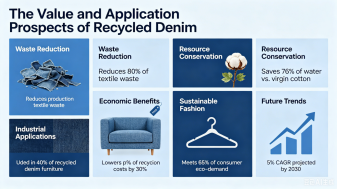
Екологичното въздействие: Защо рециклираният деним има значение
Отвличане на текстилни отпадъци от депозитите и намаляване на замърсяването с микровлакна
Модната индустрия изхвърля около 92 милиона тона текстил годишно — денимът, поради плътната си памучна структура и бавния си процес на разлагане, значително допринася за натоварването на депозитите. Рециклирането на деним от крайния потребител и предварително произведени отпадъци отпраща този устойчив отпадък далеч от депозитите, където би останал десетилетия. От особено значение е и това, че рециклираният деним намалява замърсяването с микровлакна: докато новият деним често съдържа синтетичен еластан, който отделя устойчиви микропластифициранти по време на перене, механично рециклираният деним обикновено се състои почти изцяло от естествени памучни влакна — което намалява отделянето на синтетични микровлакна във водните системи.
Намаляване на емисиите на въглероден диоксид и опазване на водните ресурси при производството на деним
Единичната двойка обикновени джинси изразходва повече от 10 000 литра вода и генерира значителни емисии на парникови газове — от отглеждането на памук с интензивно използване на пестициди до енергоемките процеси на боядисване и промишлено довършване. Преработеният джинс избягва тези ресурсоемки процеси в началото на веригата. Анализ от 2024 г. на жизнения цикъл потвърждава, че използването на преработен памук при производството на джинси води до значително намаляване на потреблението на вода, енергийната необходимост и емисиите на въглерод в сравнение с първичния памук. Този преход подпомага неотложната нужда на облечната индустрия да намали своята дяловая част от 10 % в глобалните емисии на въглерод и превръща джинсите от линеен проблем на отхвърляне в кръгова, ресурсоспестяваща възможност.
Как се произвежда преработеният джинс: процеси, предизвикателства и иновации
Механична срещу химическа преработка: компромиси между качеството на фибрите и мащабируемостта
Рециклираният деним се произвежда предимно по два начина: механичен и химичен рециклиране. При механичното рециклиране използваният деним се нарязва на влакна, които след това се превръщат в нова прежда. Този метод е икономичен по отношение на енергията и широко прилаган, но намалява дължината на влакната, което ограничава якостта и издръжливостта на крайния плат. При химичното рециклиране денимът се разтваря до чист целулозен компонент и багрила, като се запазва цялостта на влакната и се осигурява по-висококачествен крайният продукт. Въпреки това този процес изисква специализирана инфраструктура и по-големи ресурсни разходи, което затруднява неговото широко внедряване. Както отбелязва една фирма в областта на материалознанието, дори скромното включване на рециклирана памук — например 20–30 % — може да осигури значителни екологични предимства, без да се компрометира производителността. Изборът зависи от конкретното приложение: механичното рециклиране е подходящо за икономически чувствителни и по-нискоякостни употреби, докато химичното рециклиране остава перспективно за премиални текстилни изделия с висока цялост, когато се подобри мащабируемостта му.
Пречки при събирането на деним от крайни потребители и подобрения в сортирането на денимови потоци
Събирането на джинсови материали след употреба среща реални предизвикателства: смесите с еластан затрудняват отделянето на влакната, докато циповете, копчетата и пироните изискват трудоемко ръчно премахване — което намалява добива и увеличава разходите. Новите технологии постепенно преодоляват тези задръжки. Сензорите за близка инфрачервена (БИЧ) светлина сега определят състава на джинсовите материали в реално време, което позволява автоматизирано, високоточно сортиране според типа влакно. Някои производители също прилагат разтварящи се нишки, за да опростят разглобяването на дрехите — това улеснява механичната преработка и подобрява чистотата на суровината. Въпреки това инфраструктурните недостатъци продължават да съществуват: по-малко от 25 % от текстилните отпадъци в Европа в момента се събират отделно, което подчертава колко значително трябва да се разшири обхвата на системите за събиране, за да се осигури масово внедряване на циркулярния джинс.
Преработен джинс в практиката: от влакно до готов продукт
Дрехи, аксесоари и домашни текстилни изделия, използващи съдържащи преработен джинс материали
Рециклираният деним е най-добре установен в модата и домакинските стоки. Брандовете обикновено смесват механично рециклирани памучни влакна с първичен памук или полиестер, за да създадат издръжливи нишки с по-ниско въздействие върху околната среда. Поради намалената дължина на влакната съдържанието на рециклиран материал в деним дрехи като джинси и якета обикновено е ограничено до 20–40 %, за да се запази целостта при прядене и експлоатационните характеристики при носене. В противовес на това аксесоарите (напр. чанти, колани) и домакинските текстилни изделия — включително килими, възглавници за кучешки легла и облицовки — могат да съдържат по-високо съдържание на рециклиран материал (40–80 %), тъй като разтегателната здравина е по-малко критична от мекотата, текстурата или топлоизолационните свойства. В таблицата по-долу са посочени типичните приложения и техните практически граници за съдържание на рециклиран материал.
| Приложение | Типично съдържание на рециклиран деним | Основен елемент за разглеждане |
|---|---|---|
| Джинси и якета от деним | 20–40% | Дължината на влакната трябва да отговаря на изискванията за качество при прядене |
| Чанти и аксесоари | 40–60% | По-ниските изисквания към разтегателната здравина позволяват по-високо съдържание на рециклирано влакно |
| Домакински текстил (килими, легла за домашни любимци) | 60–80% | Пълнежът има приоритет върху мекотата, а не върху здравината |
Възникващи високостойностни приложения: акустична изолация, геотекстил и строителни композити
Освен за дрехи, естествената целулозна структура на рециклирания деним отваря възможности за високоефективни индустриални приложения. Неговата превъзходна звукопоглъщаща способност го прави идеален за акустични панели в офиси, училища и звукозаписни студия — с по-добри показатели от много синтетични алтернативи. В САЩ програмите за връщане на използвани джинси са насочили над два милиона чифта джинси към производството на строителна изолация — еквивалентно на отклоняването на 2,5 милиарда пластмасови бутилки от депозитите. Композитните материали за строителство — включително фиберборд, подсилен с деним, геотекстилни материали за контрол на ерозията и агрегати за бетон — набират бързо оборот. Един водещ производител използва нарязан деним като устойчив заместител на пясък в бетонни блокове, намалявайки скрития въглероден отпечатък до 30%. Тези приложения използват влакна от по-ниско качество, отхвърлени от текстилните фабрики, превръщайки отпадъците в технически ценност — по този начин насърчавайки циркулярността и намалявайки риска от цветения на водорасли, свързан с изтичането на синтетични микровлакна.
Мащабиране на циркулярността: ръководна роля на брендовете и системни фактори за подпомагане на рециклирания деним
Мащабирането на циркулярността изисква координирани действия — от модели, водени от брандове, до крос-индустриални стандарти. Следващите фактори за насърчаване илюстрират как лидерството, политиката и сътрудничеството ускоряват системната промяна.
Модели за наемане и рециклиране (напр. MUD Jeans) и инфраструктура за връщане
Пионерски брандове като MUD Jeans демонстрират как иновациите в бизнес моделите могат да затворят кръга: тяхната програма за наемане и връщане гарантира, че джинсите след край на употребата им се връщат директно за рециклиране — а не в депозити за отпадъци. Обаче такива модели зависят от здрава инфраструктура за връщане. В момента в Европа отделно се събират само около 25 % от текстилните отпадъци; обаче предстоящите регулации на ЕС ще задължат отделното събиране на текстил до 2025 г., създавайки основната логистична база, необходима за мащабиране на рециклирането на джинси в различните пазари.
Индустриални сътрудничества, насърчаващи стандарти за по-потребителски рециклиран памук
Системният напредък зависи от споделени стандарти. Инициативата „Джинсовото споразумение“ (Denim Deal), водена от Fashion for Good и обединяваща повече от 50 глобални бранда, тъкани и рециклиращи предприятия, задължава участниците да включват минимални проценти постпотребителски рециклиран памук в новите дрехи до определени крайни срокове. Чрез хармонизиране на очакванията за качество, протоколите за проследимост и целите за набавки такива коалиции намаляват рисковете при инвестициите, укрепват доверието на пазара и превръщат рециклираните джинси от нишова инициатива в индустриален стандарт.
Често задавани въпроси
Какви са екологичните предимства на рециклираните джинси?
Рециклираните джинси намаляват отпадъците от текстил, ограничават замърсяването с микровлакна и значително намаляват потреблението на вода и емисиите на въглероден диоксид в сравнение с производството на нови (непреизползвани) джинси.
Каква е основната разлика между механичното и химичното рециклиране на джинси?
Механичното рециклиране включва нарязване на джинсите на влакна, което води до намаляване на дължината им; химичното рециклиране запазва цялостта на влакната, като разтваря джинсите в чист целулоза.
Защо джинсовата дреха често ограничава съдържанието на рециклиран материал до 20–40%?
Поради по-късата дължина на фибрите след рециклирането по-високото съдържание на рециклиран джинс може да компрометира качеството на прядене и издръжливостта, необходими за джинсовата дреха.
Може ли рециклираният джинс да се използва извън модата?
Да, рециклираният джинс се използва в индустриални приложения като акустична изолация, геотекстили, композити за бетон и строителни материали.
Какви стъпки предприемат брендовете, за да подкрепят рециклирането на джинси?
Брендовете въвеждат програми за наемане и рециклиране, прилагат системи за връщане на продукти и сътрудничат по разработването на отраслови стандарти, за да включат повече рециклиран джинс. Предстоящите регулации ще подкрепят още повече тези усилия.
Съдържание
- Екологичното въздействие: Защо рециклираният деним има значение
- Как се произвежда преработеният джинс: процеси, предизвикателства и иновации
- Преработен джинс в практиката: от влакно до готов продукт
- Мащабиране на циркулярността: ръководна роля на брендовете и системни фактори за подпомагане на рециклирания деним
-
Често задавани въпроси
- Какви са екологичните предимства на рециклираните джинси?
- Каква е основната разлика между механичното и химичното рециклиране на джинси?
- Защо джинсовата дреха често ограничава съдържанието на рециклиран материал до 20–40%?
- Може ли рециклираният джинс да се използва извън модата?
- Какви стъпки предприемат брендовете, за да подкрепят рециклирането на джинси?