 EN
EN

The Durability and Versatility of Denim Fabric
Understanding the Twill Weave and Durability of Denim
What makes denim so tough? The answer lies in its twill weave, which creates those diagonal ribs when cotton threads are woven together at different angles. Tests show denim can handle about 40 percent more wear and tear compared to regular woven fabrics, based on some recent lab findings from Martindale in 2023. With a pretty tight weave and a weight range around 12 to 14 ounces per square yard, denim stands up to tearing but still keeps enough give for comfort. Most other heavy duty fabrics struggle to find this sweet spot between strength and flexibility that denim naturally achieves.
Why Denim’s Strength Makes It Ideal for Non-Apparel Applications
More and more industrial designers are turning to denim for furniture covers and wall panels these days since tests show it holds up about 18 percent better against regular wear compared to standard canvas materials. What makes denim stand out is how it keeps its shape and durability even under harsh conditions like direct sun exposure or getting wet. According to some recent findings from the textile sector in 2023, furniture wrapped in denim still had around 92% of its initial strength after being used for five whole years. That's actually pretty similar to what we see with marine grade vinyl, but denim weighs about half as much making it much easier to work with during installation.
Comparing Denim to Other Heavy-Duty Textiles for Interior Use
| Feature | Denim (12 oz) | Canvas (10 oz) | Polyester Blend |
|---|---|---|---|
| Abrasion Resistance | 25,000 cycles | 18,000 cycles | 30,000 cycles |
| Weight Flexibility | High | Moderate | Low |
| UV Degradation | 15% loss/year | 22% loss/year | 8% loss/year |
| Breathability | Excellent | Good | Poor |
Denim works pretty well for indoor stuff according to those who work with fabrics. It stands up to cat claws much better than linen does, yet still bends nicely around those modern curved couches we all love these days. Plus, since it's made from real cotton fibers rather than synthetics, it doesn't have that weird plastic feeling when someone touches it. That's why many designers reach for denim when creating things people actually interact with, like the armrests on chairs or decorative pillows scattered around living rooms.
Denim in Furniture and Upholstery Design
How Denim Upholstery Is Transforming Modern Interiors
Denim isn't just for jeans anymore these days. Designers around the world are finding new ways to use this versatile fabric, especially in home furnishings. According to Textile World from last year, the market for furniture upholstery made from denim is expected to expand at about 8.4 percent each year until 2030. What makes denim so great for furniture? Well, it all comes down to how it's woven. The special twill pattern gives denim incredible strength. Sofas covered in denim can handle two to three times more rubbing and scratching compared to regular cotton ones before they start looking worn out, as per the Material Durability Index report in 2022. Walk into any upscale furniture store nowadays and chances are good you'll see some amazing pieces made with denim. There are big sectional couches dyed deep blue, armchairs with subtle chambray accents, and even tables where the denim is paired with fancy brass hardware that adds a touch of elegance to what was once considered purely workwear fabric.
Benefits of Using Denim Fabric in Home Decor and Furniture
Beyond aesthetics, denim offers functional advantages:
- Thermal Regulation: Denim’s dense weave retains 18% more heat in winter while reflecting sunlight 22% more effectively in summer compared to linen blends (Home Textile Performance Report 2023)
- Sustainability: Recycled denim upholstery reduces textile waste–3.2 pairs of jeans repurposed per average sofa
- Adaptability: Overdyeing techniques let designers create 200+ custom color variations from a single denim base
Challenges in Maintaining Denim-Upholstered Furniture
While durable, denim requires specific care:
- Indigo finishes may transfer pigment to light-colored walls in humid environments
- Professional cleaning costs run 25–35% higher than for synthetic fabrics (Furniture Care Association 2023)
- Sun exposure causes 40% faster fading compared to solution-dyed acrylics (UV Stability Tests 2022)
Trend Analysis: Rise of Denim in High-End Furniture Design (2018–2023)
Luxury furniture listings containing "denim" grew 190% since 2018, with average prices 73% higher than leather alternatives. The 2023 Milan Design Week featured 14 denim-centric collections versus just 2 in 2019, signaling mainstream adoption. However, 68% of designers note clients underestimate lead times–custom denim upholstery orders take 4–6 weeks versus 2 weeks for stock fabrics.
Home Decor Innovations with Denim Textiles
DIY Denim Wall Panels and Accent Features
More folks these days are getting creative with old jeans, turning their rough texture into eye catching wall art and funky paneling around the house. The way denim is woven gives it this cool dimension look plus helps absorb sound, so it works great in music rooms or anywhere people want to cut down on echo. Old denim scraps stacked together in those pretty blue gradients make awesome wall covers too. They save stuff from going to landfill and give spaces that rugged yet stylish vibe many are after now. According to some recent research from last year, almost seven out of ten craft enthusiasts prefer tough materials that don't need much upkeep when doing accents around their homes. Denim stands out because it holds color better than most fabrics and doesn't fall apart easily over time either.
Denim Curtains, Pillows, and Bedding as Sustainable Homewares
Denim isn't just about looks either. The fabric actually regulates temperature pretty well, which makes it great for home decor that works as hard as it looks good. Medium weight denim curtains can stop around 34 percent more UV light compared to regular cotton mixes according to some tests from last year. Plus they hold onto warmth when it gets chilly outside. Many green minded companies are starting to make denim bedding these days too. They use something called ozone washing instead of traditional methods, cutting down on water usage by about two thirds. This fits right into what we're seeing in the market lately. Demand for home textiles made from recycled materials jumped nearly 70% in 2023 alone. People want stuff that lasts longer but still helps protect the planet at the same time.
Denim Accessories and Personal Use Products
Expanding Beyond Fashion: Non-Clothing Uses of Denim in Bags and Hats
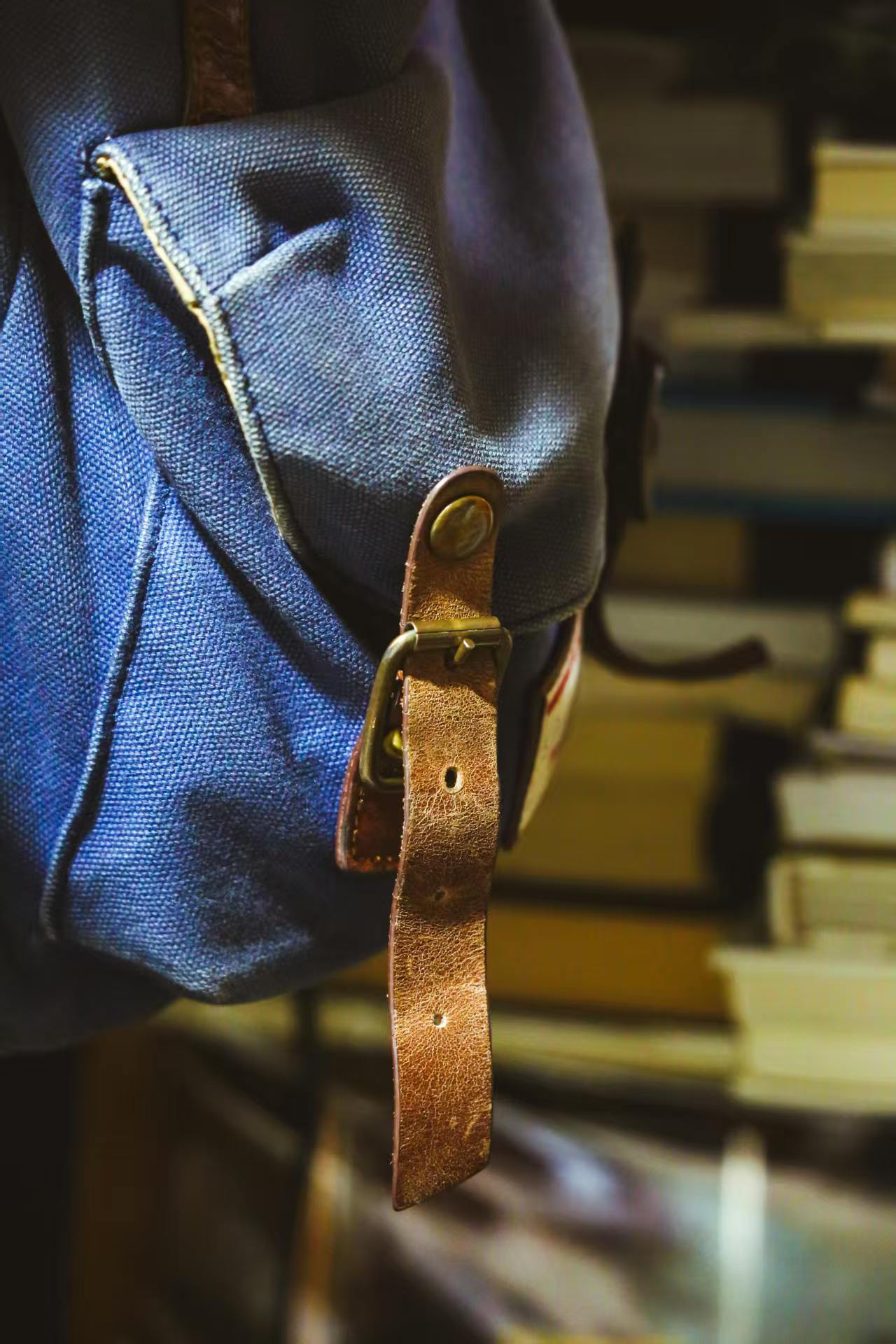
Denim’s structural integrity–rooted in its twill weave–enables applications far beyond jackets and jeans. Its natural abrasion resistance supports functional accessories like crossbody bags, bucket hats, and laptop sleeves that endure daily use while maintaining a casual aesthetic.
Popular Denim-Based Accessories in Today’s Eco-Conscious Market
According to the latest denim market analysis, there's been a pretty impressive 27% growth in non-clothing denim items over the past three years. People are increasingly looking for eco-friendly options instead of those plastic-based synthetics we've all come to hate. Walk through any local farmers market these days and chances are good you'll see those heavy duty grocery bags made from old jeans hanging around stalls. The same goes for those cute little sun hats crafted from leftover fabric scraps at festivals across the country. These products really hit two birds with one stone offering long lasting quality while also ticking the sustainability box that so many shoppers care about nowadays.
Case Study: A Startup Turning Recycled Jeans Into Premium Tote Bags
Some creative person is turning over 300 old jeans each month into special edition accessories, keeping about 1.2 tons of fabric out of landfills every year. The standout tote bag has strong brass rivets where it needs them most, which reminds folks of denim's roots in work clothes. They also dye everything with plants instead of chemicals, cutting down on environmental harm. What this shows is that old fabrics from our grandparents' wardrobes might actually hold answers to today's green problems, all while making stuff that still works well in real life situations.
Upcycled Denim and Sustainable Innovation
Recycling denim jeans into new items: From waste to value
Turning old blue jeans into high quality goods is now central to making textiles more sustainable. The market for upcycled denim hit around 491 million dollars last year according to reports, and creative companies are finding all sorts of ways to reuse those worn out pairs. Some get broken down into stuff for insulation, others become padding inside furniture, and plenty end up as fabric that can be used again and again. New methods of cutting up and weaving together old denim keep most of its strength intact, which means we need about 22 percent less new cotton for every kilogram that gets recycled through these processes. This not only helps reduce waste but also cuts down on resource consumption across the board.
The role of upcycled denim in circular fashion economies
Denim recycling is increasingly becoming part of closed loop manufacturing processes across industries these days. Top manufacturers have started adopting methods that separate fibers without chemicals, which allows them to dismantle mixed fabric blends and spin them back into usable yarn. The water savings here are pretty impressive too – around two thirds less compared to regular denim manufacturing techniques. What's really interesting though is how long these materials stay in circulation. Most systems manage to keep fabrics going through between four to seven complete life cycles before they eventually reach end of life. For each factory implementing such a system, this translates roughly to cutting down on about eight point three metric tons worth of waste heading towards landfills every single year.
Greenwashing vs. genuine sustainability in denim recycling
Authentic denim recyclers provide third-party certifications like Global Recycled Standard (GRS) verification, while greenwashed campaigns often cite vague “contains recycled content” claims without transparency. True closed-loop systems reuse 90%+ of input materials internally, compared to partial recyclers averaging 35–40% reuse rates.
Industry Paradox: High demand for denim yet low global recycling rates
Despite denim’s $92.4 billion global market size, less than 12% of post-consumer jeans enter recycling streams. Infrastructure gaps leave 28 million metric tons of denim waste annually, though emerging chemical recycling technologies aim to boost recovery rates to 45% by 2030.
Frequently Asked Questions (FAQ)
What makes denim fabric so durable?
Denim's durability is largely due to its unique twill weave, which results in diagonal ribs that increase resistance to wear and tear.
Why is denim used for non-apparel applications?
Denim's strength and ability to retain shape and durability under harsh conditions make it ideal for applications like furniture covers and wall panels.
How does denim furniture compare to other textiles?
Denim offers high abrasion resistance, excellent breathability, and good weight flexibility compared to textiles like canvas and polyester blends.
What are the challenges in maintaining denim-upholstered furniture?
Maintaining denim furniture can be costly due to professional cleaning needs and indigo color transfer issues.
How is denim being upcycled?
Upcycling involves transforming worn jeans into new items like insulation, padding for furniture, and reusable fabric, reducing waste and resource consumption.