 EN
EN

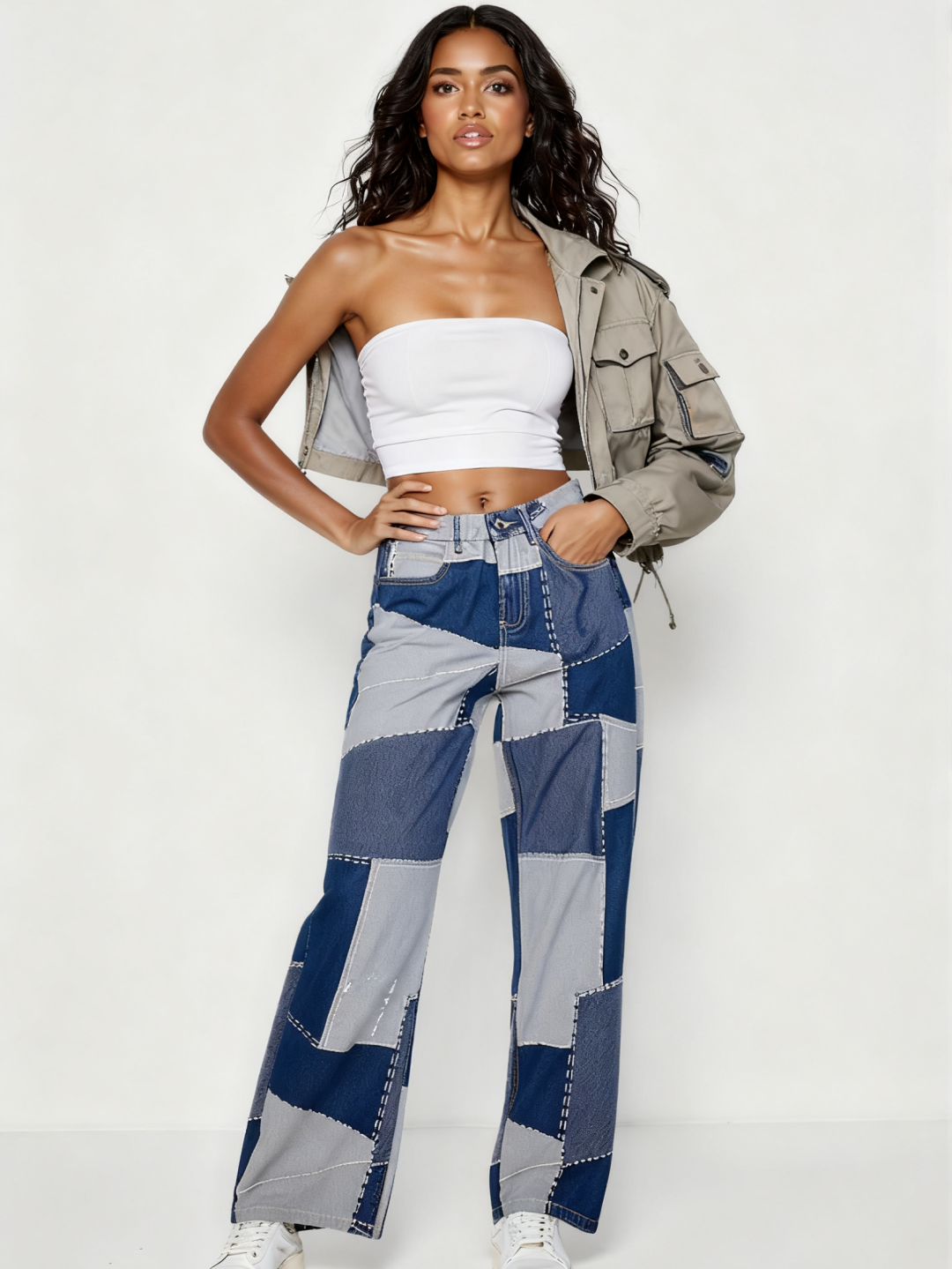
The Evolution of Denim: From 100% Cotton to Innovative Fabric Blending
Why Traditional Cotton Denim Is No Longer Enough
Denim has come a long way since those original riveted jeans Levi's came out with back in 1873. Sure, pure cotton denim still gets praised for how breathable it is and how it conforms to different body shapes over time. But let's face it - regular cotton just doesn't cut it anymore when people want their clothes to perform better. Cotton doesn't stretch much, holds onto sweat in hot weather, and needs constant washing. And folks care about this stuff too. According to last year's denim report, almost nine out of ten customers are looking for clothes that don't demand so much maintenance. Plus, traditional weaving methods create problems with fit diversity. Most shoppers these days want something that works on all sorts of bodies, not just one standard shape. The numbers back this up too, with around three quarters of buyers actively searching for more flexible sizing options.
How Fabric Blending Transformed Denim Comfort and Performance
Manufacturers started mixing cotton with synthetics and semi-synthetics such as spandex and Tencel to overcome certain shortcomings. Even adding only 2% elastane makes a big difference - stretch recovery jumps around 300% when compared with regular cotton, found researchers at a recent textile engineering conference in 2024. And Tencel mixtures cut down water consumption during the dyeing process by roughly 30%. What we get are fabrics that still have that familiar cotton appearance but offer better movement, hold their shape longer, and are kinder to the environment. The result? Jeans that actually stretch comfortably, move with the body, then bounce back into place instead of drooping down after wearing.
Case Study: Levi’s Pioneering Shift to Stretch Denim
In 2015, Levi's hit something big when they rolled out their Women's 721 High Rise Skinny Jeans made mostly from cotton but with just a hint of stretch from that 1% elastane mix. These jeans absolutely blew up for the brand, helping push revenues up by nearly a quarter during the third quarter of 2016. What followed was pretty interesting - other brands started copying this blend approach because it worked so well. Now blended denim makes up almost seven out of ten pairs of jeans produced worldwide according to the Global Textile Innovation Report from last year. But there's a catch here too. All these different fibers mixed together create real headaches when trying to recycle old jeans at the end of their life cycle. The combination complicates things quite a bit for recycling facilities.
Key Fibers Used in Blended Denim: Spandex, Polyester, and Tencel
Spandex and Elastane: Enabling Flexibility and Fit in Modern Jeans
When manufacturers blend around 2 to 5 percent spandex or elastane into regular cotton denim fabric, they get something pretty cool happening. The fabric gains about 30% extra stretch without losing much of its overall strength. Traditional jeans often feel really tight and uncomfortable, particularly when someone wants to wear slim fit or skin tight styles. But with this new stuff, people actually have better mobility throughout the day. Clothes made from this material tend to mold nicely around different body shapes too. After taking them off at night, most will bounce back pretty close to how they looked originally on the rack.
Polyester: Enhancing Durability and Wrinkle Resistance
Blending 15–30% polyester with cotton significantly increases durability, enabling denim to withstand twice as many wear cycles. Polyester also locks in dyes more effectively, reducing color fade over time, and offers inherent wrinkle resistance—making it ideal for travel and everyday wear where ease of care is a priority.
Tencel and Rayon: Adding Softness, Drape, and Breathability
Tencel™ lyocell, derived from sustainably sourced wood pulp, enhances moisture management and airflow by 25% compared to rigid cotton. Its smooth fiber structure gives denim a soft, silky drape without compromising tensile strength. These qualities make Tencel blends particularly suited for modern designs that balance comfort, aesthetics, and breathability.
Functional Benefits of Blended Denim: Comfort, Durability, and Performance
Balancing Strength and Elastic Recovery in Active Wear Denim
Denim blends combine strength and stretch, which makes them great for people who lead active lives. When manufacturers weave in around 5 to 10 percent spandex into regular cotton fabric, the resulting material holds its shape much better after being stretched repeatedly. Testing has found that these mixed fabrics can handle about half again as many stretching cycles before starting to look worn compared to plain old 100% cotton denim. That means folks doing things like riding bikes or practicing yoga won't have to worry about their pants losing shape or comfort during those intense movements. The jeans basically adapt to what the body does throughout the day.
Moisture Management and Climate Responsiveness in Hybrid Blends
Blended fabrics work well across different weather conditions. The popular 65/35 cotton-polyester mix cuts down on sweat buildup by around 30 percent because polyester doesn't absorb water, so it pulls moisture away from our bodies instead. Looking at another option, cotton mixed with Tencel absorbs about 22% less humidity from the air without losing that important breathability factor, as found in research published last year. No wonder then that most outdoor clothing companies these days prefer using blended denim materials when creating their travel lines. About two thirds of them have made this switch, recognizing how versatile these fabric combinations really are.
Case Study: Workwear and Athleisure Brands Adopting High-Performance Blended Denim
Blended fabrics are making waves outside just everyday clothes these days. Take one company making gear for mechanics and construction workers who saw their knee tear problems drop by around 40% when they started using denim mixed with 15% nylon reinforcement. On the other side of the market, brands creating those sporty casual pants mix regular cotton with recycled plastic fibers to make pants that hold up against wear and tear and keep their color even after dozens of washes. Textile experts actually back this approach as finding that sweet spot where people get both comfort and something that lasts longer than usual. Looking at how different industries are adopting these fabric combinations shows why blended denim has become so popular for making clothes that really work in tough conditions.
Aesthetic and Textural Innovation Through Fabric Blending
Achieving Luxury Feel and Drape with Cotton-Tencel-Elastane Blends
Fabrics mixing around 82% cotton, 12% Tencel, and 6% elastane feel really nice against the skin, combining that cozy softness with good draping properties and just enough give for comfort. The Tencel component adds something special too it gives off this almost silk-like sensation but still lets air circulate, which helps make jeans that aren't so rigid when first worn. According to the Textile Trends Report from last year, over half (about 63%) of consumers actually mention wanting luxury textures when they shop for clothes. No wonder we see more fashion labels incorporating these kinds of fabric mixes nowadays. They want to create products that look great on display racks but also maintain their shape after multiple wears.
Trend: Matte Finishes, Lightweight Weaves, and Fashion-Forward Denim
Designers are redefining denim aesthetics using advanced blending techniques:
- Matte coatings eliminate shine for sleek, sophisticated finishes
- Lightweight weaves (230–280 gsm) replace heavier 12–14 oz fabrics for enhanced comfort
- Twill variations with 18–22% polyester enable refined surface patterns and texture detailing
These innovations allow for runway-inspired elements like asymmetrical draping and heat-embossed effects—features previously unattainable with pure cotton. This evolution aligns with luxury athleisure trends, positioning blended denim at the intersection of high fashion and everyday wear.
Sustainability Challenges and Opportunities in Blended Denim
Environmental Impact of Synthetic Fibers in Denim Blends
While synthetic fibers improve performance, they introduce environmental concerns. Polyester and elastane contribute to 35–42% of microplastic pollution from textiles (Textile Exchange 2023), and cotton-polyester blends complicate recycling due to inseparable fiber components. A 2024 analysis found that incorporating 20% polyester raises production-related CO₂ emissions by 18% compared to 100% cotton denim.
Biodegradability vs. Recyclability: The Polyester Dilemma
Polyester can be recycled mechanically or chemically, but it takes over 200 years to biodegrade. Emerging enzymatic recycling methods reduce virgin plastic use by 45% in pilot programs, though energy requirements remain high. Bioengineered cotton-polyester blends treated with microbial processes now offer partial biodegradability, addressing landfill persistence while maintaining performance standards.
Strategy: Advancing Mono-Material Blends and Circular Fashion Models
The fashion industry wants better recyclability, so many big names are going for simpler materials these days. Think something like fabric made mostly from cotton (around 98%) mixed with just a little bit of plant based stretch stuff (about 2%). There was this cool project where they managed to recycle back nearly 92% of old denim blends through some kind of hot water treatment process. The good news? This new method drinks up roughly 70 percent less water compared to what we normally do. As brands start cutting down on complicated fiber mixes and throwing money at bigger recycling tech solutions, denim manufacturing seems headed towards greener pastures where nothing goes to waste quite so easily anymore.
FAQ
Why is traditional cotton denim considered less favorable now?
Traditional cotton denim lacks stretch, holds onto sweat, and demands constant washing, making it less favorable compared to blended fabrics that enhance flexibility, performance, and sustainability.
What are the benefits of fabric blending in denim?
Fabric blending in denim improves stretch, durability, moisture management, and environmental friendliness, creating jeans that offer better comfort and longevity while reducing maintenance needs.
How does fabric blending affect denim recycling?
Fabric blending complicates denim recycling because different fibers are hard to separate, making it challenging for recycling facilities to process blended jeans effectively.
Table of Contents
- The Evolution of Denim: From 100% Cotton to Innovative Fabric Blending
- Key Fibers Used in Blended Denim: Spandex, Polyester, and Tencel
- Functional Benefits of Blended Denim: Comfort, Durability, and Performance
- Balancing Strength and Elastic Recovery in Active Wear Denim
- Moisture Management and Climate Responsiveness in Hybrid Blends
- Case Study: Workwear and Athleisure Brands Adopting High-Performance Blended Denim
- Aesthetic and Textural Innovation Through Fabric Blending
- Sustainability Challenges and Opportunities in Blended Denim
- FAQ