 EN
EN

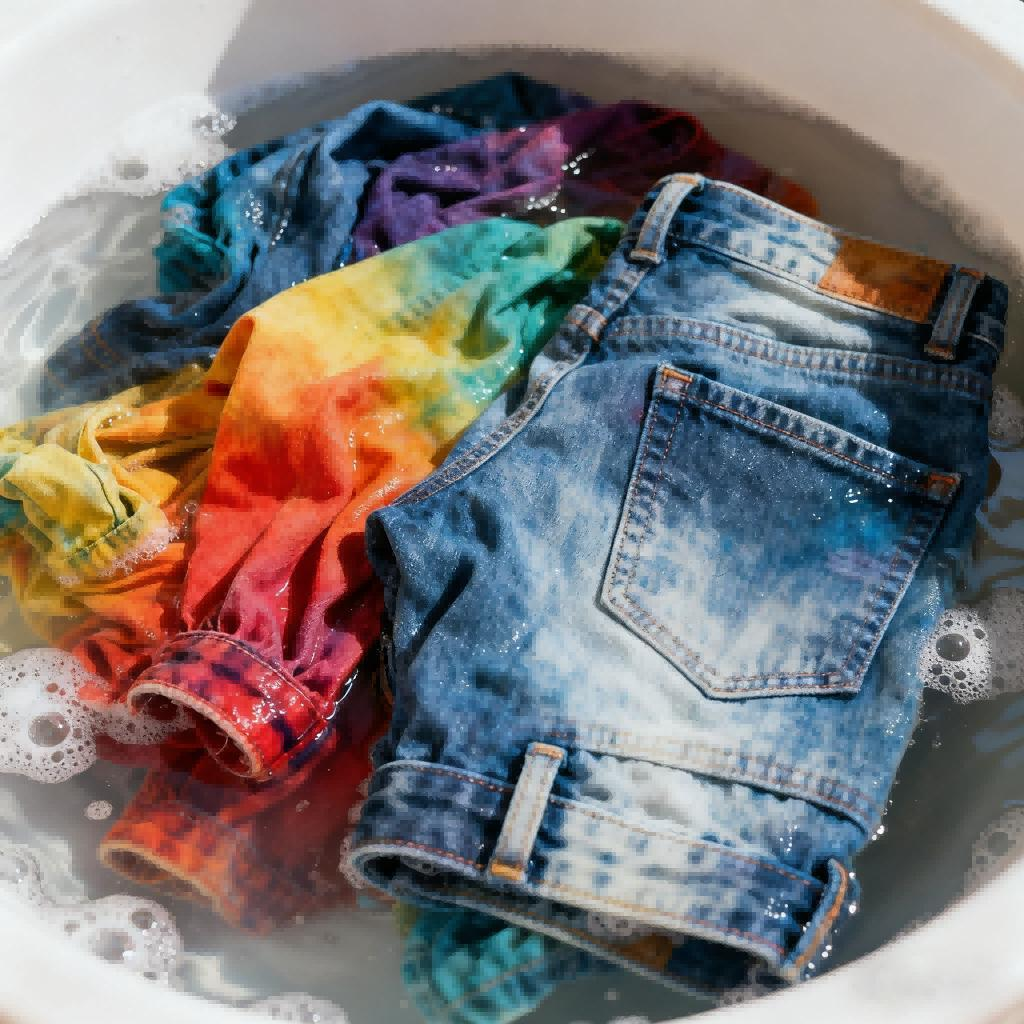
The Chemistry of Denim Dyes: Indigo vs. Sulfur-Based Color Denim
How Indigo Dye Creates Signature Fading Patterns in Raw Denim
The way indigo fades is pretty interesting actually. It sticks to the surface of cotton fibers rather than going all the way through like regular dyes do. What happens instead is that indigo attaches itself mainly to the outside of the yarn, leaving what's called a ring-dye effect where the inside stays basically white. That's why those fresh indigo jeans get those really cool fade patterns around areas we constantly rub against stuff, our knees especially. When we wear them day after day, the friction starts to wear off that outer colored layer, revealing these lighter fibers underneath. The result? Each pair ends up looking totally different as they break in. According to some research published last year in the Denim Chemistry Report, most people lose about three quarters of their jeans' original blue color during the first month of wearing them because of how indigo sits on top rather than sinking deep into the fabric.
Sulfur Dyes in Color Denim: Penetration, Stability, and Fade Resistance
Sulfur-based dyes used in black, gray, and colored denim penetrate deeper into cotton fibers through covalent bonding. This results in:
- 40-60% less color loss after 50 wash cycles compared to indigo (Textile Research Journal 2023)
- Uniform fading rather than high-contrast patterns
- Greater resistance to crocking (color transfer)
The sulfur dyeing process chemically alters cellulose fibers, making color denim less responsive to abrasion but more prone to overall hue shifting from UV exposure and oxidizers in detergents.
Comparative Dye Behavior: Surface-Level Indigo vs. Fiber-Penetrating Sulfur Dyes
| Characteristic | Indigo Denim | Color Denim (Sulfur) |
|---|---|---|
| Dye penetration depth | 15-20% of fiber radius | 80-90% of fiber radius |
| Primary fade trigger | Mechanical abrasion | Chemical degradation |
| Fade contrast | High (50-70%) | Low (10-20% ) |
Industry tests (TextileSchool) confirm sulfur-dyed fabrics retain 3x more dye molecules after equivalent wear periods. However, this deep penetration reduces color denim techniques ability to develop personalized fading patterns, making it preferable for consumers prioritizing long-term color stability over vintage aesthetics.
Fading Mechanisms: How Wear, Wash, and Fabric Structure Influence Color Denim
Mechanical Abrasion and Its Impact on Indigo Versus Color Denim Surfaces
When jeans get worn in, the indigo dye starts to fade where they rub against our bodies most. As we sit down repeatedly or move around all day, the outer layer of dye wears off, exposing those lighter fibers underneath. This is why we often see those dark contrast marks forming on the parts that take the most stress, especially around the thighs and knees area. On the flip side, sulfur dyed denim doesn't fade quite so dramatically because the color actually penetrates deeper into the cotton itself. According to some recent research from last year, sulfur dyed black jeans kept about 78% more color after being rubbed 50 times than their indigo counterparts did. The reason? The dye forms stronger bonds with the fabric at a molecular level, making it stick around longer despite regular wear and tear.
Washing Frequency and Chemical Breakdown in Sulfur-Dyed Fabrics
Indigo jeans are known for holding their fades longer when washed less often, but sulfur dyed denim tells a different story. The colors tend to wash out faster because regular detergents just don't play nice with sulfur dyes. When fabrics get treated with alkaline washes, those dye molecules start breaking down over time. Instead of getting those nice crisp white lines we all love, sulfur dyed jeans develop more of a mellow tone throughout. Some industry testing has actually shown something pretty surprising. If someone were to wash black sulfur dyed jeans once every week for half a year, the color would fade away by around 42%. That's actually double what happens to jeans that sit untouched in the closet during the same period.
Cotton Blends and Synthetic Fibers: Their Role in Fading Consistency for Color Denim
The type of fabric used makes a big difference in how jeans fade over time. When made from pure cotton, denim tends to fade pretty evenly across the garment since all the fibers break down at similar rates. Blended fabrics though, especially those with something like 2% spandex mixed in, don't behave the same way. These blends often leave patchy areas where some parts fade faster than others because different fibers stretch and wear differently. Adding synthetic materials such as polyester actually slows down the fading process quite a bit. A recent study looking at this stuff back in 2024 found that regular old 100% cotton denim dyed with sulfur would lose around 30% more color compared to similar jeans made with 98% cotton and 2% polyester after they had been worn for the same amount of time. For people who want their jeans to develop character naturally, understanding these fabric differences can help them choose what kind of fade pattern they'll end up with.
Raw vs. Prewashed Denim: How Initial Processing Shapes Fade Development
Raw Indigo Denim: Progressive Fading and Personal Wear Mapping
When left untreated, raw denim creates those distinctive fade patterns we all love because the indigo dye basically rests on top of the fabric instead of getting absorbed into the cotton fibers. According to some recent research from 2023 on denim durability, these raw indigo jeans tend to shed about 25% of their color intensity within the first three months of normal use. This leads to those striking contrast fades around areas that get stressed during daily activities, think knees and pocket regions. What makes raw denim different from those prewashed options is how it starts off pretty stiff but then slowly breaks in over time, eventually shaping itself to fit whoever wears them. Fans refer to this whole process as something called "personal wear mapping," which basically means the jeans become a second skin through regular wearing.
Prewashed Color Denim: Limited Fade Potential and Engineered Finish Stability
When making sulfur-dyed colored denim, manufacturers typically give it a prewash treatment that takes away extra dye and starch from the fabric. Textile experts have found this results in about 40% less crocking or dye transfer than regular raw denim. The prewashing actually locks those synthetic colors deeper into the fibers themselves, so the jeans don't fade all over the place when worn. A recent study published in the Material Science Review back in 2024 showed some interesting findings too. Prewashed black denim managed to keep around 85% of its original color strength even after 50 wash cycles, while untreated indigo denim only held onto about 60%. That makes a real difference for anyone wanting their jeans to look good longer without constant fading issues.
Case Study: 6-Month Wear Comparison of Raw Indigo and Black Sulfur-Dyed Denim
A controlled 2023 study tracked fading in 200 denim wearers:
- Raw indigo showed 40% indigo loss concentrated at abrasion zones
- Black sulfur-dyed demonstrated 15% overall color reduction with uniform distribution
This data confirms sulfur dyes techniques deeper fiber penetration creates fade resistance, while surface-level indigo enables localized high-contrast patterns prized by denim traditionalists.
Market Trends and Consumer Preferences in Denim Fade Aesthetics
Growing Demand for Vintage Indigo Fades Versus Long-Lasting Color Retention
People love denim in very different ways these days. On one side we have those who chase that authentic vintage look with all those beautiful indigo fades, while others want their jeans to keep looking good without fading out too fast. The numbers tell part of the story too - around two thirds of younger shoppers (under 35) still go for raw indigo because they enjoy how it changes with wear. But interestingly enough, there was a 7 percent increase last year in sales of bleached and textured denim finishes as more office workers started wearing denim during their hybrid work weeks from home to the office. What's happening here? Basically, old school charm is going head to head with modern practicality. Some brands now offer special treatments using sulfur dyes which make the fabric much tougher against everyday wear and tear, creating this weird but fascinating mix between tradition and technology in today's market.
Sales Trends in Raw Indigo vs. Pre-Faded Color Denim (2020-2023)
The numbers tell us that raw indigo still rules the premium denim scene, capturing around 54% of sales last year compared to just 48% back in 2020. Younger shoppers are really pushing this trend as they want jeans that can be personalized to their style preferences. On the other side of things, we're seeing pre-faded colors gaining ground in the corporate casual market. These options now account for about 32% of that segment, which is actually a pretty big jump from 20%. Brands have been working hard on improving those fade resistant sulfur dye formulas that keep colors looking fresh longer. Looking ahead, most analysts believe the worldwide denim business could hit roughly $21.5 billion by 2028. What's interesting is how companies are finding ways to satisfy both camps through clever techniques like semi permanent overdye treatments that offer some customization while maintaining that authentic look consumers crave.
FAQ
What is the primary difference in dye application between indigo and sulfur dyes?
Indigo dye generally sticks to the surface of cotton fibers, creating a ring-dye effect with fading patterns, whereas sulfur dyes penetrate deeper into the fibers, resulting in more stable colors with limited fading contrast.
How do washing practices affect the fading of indigo and sulfur-dyed denim?
Indigo denim tends to keep its fades longer when washed less frequently, while sulfur-dyed denim may face quicker fading due to chemical breakdown during regular washing cycles.
Why do sulfur-dyed jeans fade differently than indigo-dyed jeans?
Sulfur dyes chemically bond deeper within cotton fibers, leading to more uniform fading and color retention compared to surface-level fade patterns seen with indigo-dyed jeans.
Table of Contents
- The Chemistry of Denim Dyes: Indigo vs. Sulfur-Based Color Denim
- Fading Mechanisms: How Wear, Wash, and Fabric Structure Influence Color Denim
- Raw vs. Prewashed Denim: How Initial Processing Shapes Fade Development
-
Market Trends and Consumer Preferences in Denim Fade Aesthetics
- Growing Demand for Vintage Indigo Fades Versus Long-Lasting Color Retention
- Sales Trends in Raw Indigo vs. Pre-Faded Color Denim (2020-2023)
- FAQ
- What is the primary difference in dye application between indigo and sulfur dyes?
- How do washing practices affect the fading of indigo and sulfur-dyed denim?
- Why do sulfur-dyed jeans fade differently than indigo-dyed jeans?