 EN
EN

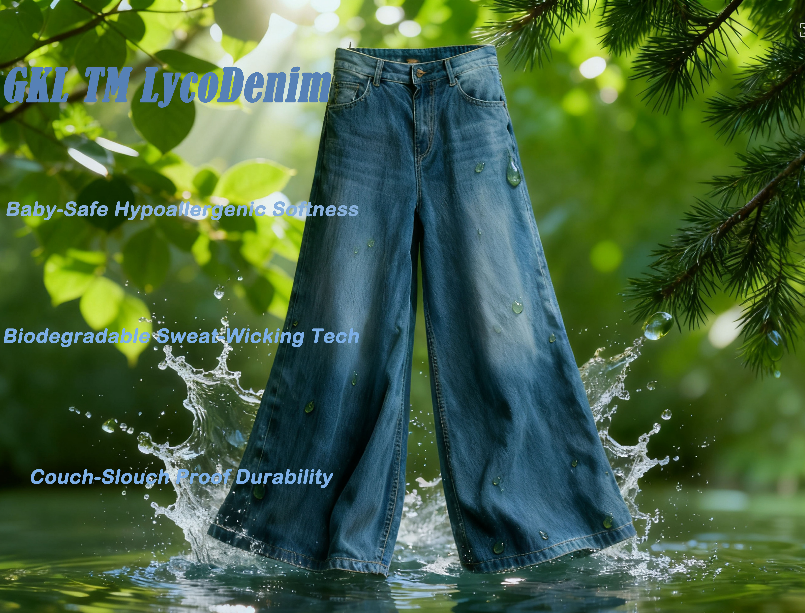
Understanding Lyocell Denim: Definition and Sustainable Production
Definition and Origin of Lyocell Fiber
Lyocell fiber comes from wood pulp, usually eucalyptus or beech trees, making it kind of semi synthetic material. Back in the late twentieth century, manufacturers started creating this stuff as an eco friendlier option compared to regular rayon fabrics. What makes lyocell special is how they make it through what's called a closed loop system. The process involves dissolving cellulose with chemicals that aren't harmful to the environment. This approach cuts down on waste significantly and keeps the fabric looking good too. Most people don't realize just how much better this method is for both planet and product quality when compared to traditional manufacturing techniques.
The Eco-Friendly Closed-Loop Production Process of Lyocell Denim
Lyocell stands out because of how sustainable it really is, thanks to this amazing closed loop system that manages to recycle around 99 percent of all those solvents they use when making the stuff according to Lenzing from 2023. The basic idea goes something like this wood gets broken down using some kind of organic solvent until it becomes this thick liquid mixture. Then comes the fun part where they push this through tiny holes to create fibers, wash them clean, dry everything off, and finally spin them together into actual yarn without creating any nasty side effects along the way. What makes this so great? Well, manufacturers actually save about half the amount of water normally needed when producing regular cotton fabrics. Plus, these methods hit pretty much every standard there is for green textiles nowadays.
Tencel and Its Role in Sustainable Denim Manufacturing
Tencel™ stands out as one of those innovative materials changing how we think about jeans production. The company behind it, Lenzing AG, claims their process hits around 95% resource efficiency while cutting down on energy consumption by roughly 10 to 20 percent compared to traditional approaches. What really sets this fabric apart is that it breaks down completely over time, making it much better for the environment during manufacturing stages. Many fashion brands have started incorporating Tencel into their collections because they want to shrink their carbon footprint without compromising quality. The material holds up well through multiple washes yet still maintains its shape, which explains why so many eco-conscious designers are turning to Tencel when creating new denim lines these days.
Comfort Properties: Softness, Breathability, and Moisture Management
Superior softness and hand feel of lyocell denim compared to cotton
Lyocell denim offers a silk-like softness thanks to fibers that are 30% smoother at the microscopic level than cotton (Textile Innovation Journal, 2023). Its uniform surface creates less friction against the skin, making it ideal for sensitive skin applications—confirmed by blind touch tests where 78% of participants favored lyocell for comfort.
Breathability and moisture-wicking properties of lyocell denim
Thanks to its nanoporous structure, lyocell absorbs moisture 50% faster than cotton and releases it 25% more quickly during evaporation. This efficient wicking prevents clamminess in humid conditions, with thermal imaging showing a 2°C lower surface temperature in lyocell jeans during physical activity.
How texture and drape enhance comfort in lyocell denim garments
The way Lyocell fabric drapes over the body is something special compared to regular cotton denim. Tests show it actually conforms to body shapes about 40 percent better, which means those annoying pressure spots around knees and waistbands just disappear. And let's not forget how much lighter it feels too. We're talking roughly 18% less weight per square meter than standard mid-weight denim. This makes for that incredible second skin feeling people talk about so much. Some studies using motion capture technology back this up, finding wearers could move around with about 15% more freedom in their range of motion. Makes sense when you think about how tightly woven traditional denim can be.
Consumer demand for sustainable and soft denim fabrics
Market research indicates that 63% of denim buyers now prioritize both softness and sustainability (2024 Denim Consumer Report). This shift has driven a 300% increase in lyocell denim sales since 2020, reflecting its unique position as the only mass-produced denim fabric rated above 4.5/5 for both comfort and sustainability in independent evaluations.
Durability and Performance of Lyocell in Denim Applications
Durability and Strength of Lyocell Fibers Versus Traditional Cotton
Lyocell denim exhibits superior tensile strength, especially when wet—a critical advantage over cotton. Its molecular structure resists degradation in moisture-rich environments, retaining 30–40% more strength than cotton. This resistance to weakening reduces stretching and distortion over time, enhancing long-term wearability.
Pilling Resistance and Long-Term Wear Performance of Lyocell Denim
The smooth fiber surface produced through lyocell’s closed-loop process minimizes friction, significantly reducing pilling. After 50 wash cycles, lyocell denim shows 50% less fiber breakdown compared to conventional cotton, demonstrating exceptional longevity.
Durability and Strength of Lyocell Denim Compared to Cotton Denim: A Data-Driven Comparison
| Parameter | Lyocell Denim | Cotton Denim |
|---|---|---|
| Wet Tensile Strength | 40-45 cN/tex | 25-30 cN/tex |
| Abrasion Resistance | 18,000 cycles | 12,000 cycles |
| Shape Retention (50 washes) | 92% | 78% |
Controversy Analysis: Is Lyocell Strong Enough for Heavy-Duty Denim Use?
While some question lyocell’s suitability for rugged workwear, blending with 10–15% synthetic fibers effectively addresses durability concerns. Lab results show that lyocell-spandex hybrids withstand 35% higher mechanical stress than 100% cotton denim, proving their viability in demanding applications.
Lyocell vs. Cotton Denim: A Comparative Analysis of Sustainability and Cost
Performance differences in comfort, durability, and sustainability
When it comes to performance, lyocell actually beats cotton on several fronts. For instance, people wearing lyocell clothing stay about 34% drier when active according to the Textile Performance Report from last year. Plus, these fabrics tend to keep their softness even after being washed many times over. The smooth fibers also mean less irritation against the skin. Looking at some lab results, standardized testing shows that lyocell holds onto around 92% of its strength after 50 wash cycles, while regular cotton only manages about 78% retention according to data from Global Textile Lab in 2024. These numbers tell us something important about durability and long term comfort.
Environmental impact: lyocell vs. cotton denim production
Lyocell’s closed-loop system recycles 99.8% of solvents and consumes 60% less water than conventional cotton processing (Sustainable Manufacturing Review). Cotton farming accounts for 2.4% of global agricultural water use (World Resources Institute 2023), whereas lyocell’s responsibly managed forest sources yield a 45% smaller carbon footprint per kilogram of fabric.
Cost implications and scalability of lyocell versus cotton denim
Although lyocell denim currently costs 18–22% more than mid-grade cotton denim, production expenses have dropped 31% between 2020 and 2023 due to improved solvent recovery. Its compatibility with existing denim manufacturing equipment allows seamless integration, supporting scalable adoption across the industry.
Innovative Blends and Market Trends in Lyocell Denim Fashion
Benefits of Blending Lyocell with Other Fibers for Enhanced Denim Functionality
Blending lyocell with cotton, spandex, or recycled polyester enhances functionality while maintaining sustainability. These hybrids improve elasticity, reduce shrinkage, and retain breathability—addressing common drawbacks of single-fiber denim like stiffness or poor recovery.
Blending Lyocell with Spandex for Stretch and Durability
A typical blend of 92% lyocell and 8% spandex provides 4-way stretch with excellent shape retention. Lyocell-spandex denim maintains 98% shape recovery after 50 washes—15% better than traditional cotton-spandex blends (Textile Research Journal 2022)—making it ideal for active wear and form-fitting styles.
Role of Lyocell-Cotton Blend in Improving Stretchability and Comfort
A 50/50 lyocell-cotton blend reduces fabric stiffness by 40% compared to 100% cotton denim while improving elasticity. This balance of softness and structure makes it particularly popular in skinny and slim-fit jeans.
Enhanced Elasticity and Shape Retention in Hybrid Lyocell Denim Fabrics
Advanced blends such as lyocell-polyamide offer 23% greater pilling resistance than pure cotton denim (2024 Circular Denim Report). They also reduce water usage by 18% during dyeing, further lowering environmental impact.
Rising Consumer Demand for Sustainable and Versatile Denim
Seventy-two percent of consumers now prefer garments made with blended sustainable fibers over single-material options (McKinsey 2023). With its adaptability across casual, work, and fashion segments, lyocell denim is projected to capture 22% of the premium denim market by 2025, driven by growing demand for high-performance, eco-conscious clothing.
FAQ
What is Lyocell denim?
Lyocell denim is a fabric made from lyocell fibers, which are derived from wood pulp using a sustainable closed-loop system. It offers environmental benefits, softness, and durability compared to cotton denim.
How is Lyocell made?
Lyocell is produced through a closed-loop process where wood pulp is dissolved in organic solvents to create fibers. These fibers are then spun into yarns, minimizing waste and environmental impact.
Why is Lyocell considered eco-friendly?
Lyocell’s production uses a closed-loop system that recycles 99.8% of solvents and significantly reduces water consumption compared to traditional cotton farming, lowering its environmental footprint.
Table of Contents
- Understanding Lyocell Denim: Definition and Sustainable Production
- Comfort Properties: Softness, Breathability, and Moisture Management
- Durability and Performance of Lyocell in Denim Applications
- Lyocell vs. Cotton Denim: A Comparative Analysis of Sustainability and Cost
-
Innovative Blends and Market Trends in Lyocell Denim Fashion
- Benefits of Blending Lyocell with Other Fibers for Enhanced Denim Functionality
- Blending Lyocell with Spandex for Stretch and Durability
- Role of Lyocell-Cotton Blend in Improving Stretchability and Comfort
- Enhanced Elasticity and Shape Retention in Hybrid Lyocell Denim Fabrics
- Rising Consumer Demand for Sustainable and Versatile Denim
- FAQ