 EN
EN

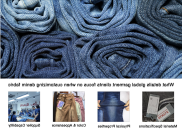
Core Technical Specifications Buyers Prioritize in Denim Fabric
When global garment clients evaluate denim fabric, they focus on measurable technical parameters that directly impact production efficiency and end-consumer satisfaction. A 2023 sourcing study found that 71% of apparel buyers rank weight, shrinkage, and colorfastness as the decisive factors in supplier selection. The following three metrics consistently top the specification checklist.
GSM and Weight Selection: Matching Fabric Density to End‑Use Application
GSM (grams per square meter) defines the mass of denim fabric per unit area—and serves as a primary driver of durability, drape, and seasonal suitability. Lightweight denim (4–8 oz/yd²) is favored for shirting and summer dresses, offering breathability and soft hand. Midweight (10–13 oz/yd²) dominates the jeans market, balancing structure and comfort. Heavyweight fabrics (14 oz/yd² and above) serve rugged workwear and premium raw denim, where abrasion resistance and shape retention are critical. A 2023 survey of sourcing managers revealed that 78% of denim fabric sample rejections stemmed from GSM deviations exceeding ±3%. Buyers match weight to intended use: a 12 oz/yd² denim works for a classic five-pocket jean, while a 6 oz/yd² cotton-linen blend suits a shirt. Weight also influences wash-down effects—higher base weights yield greater contrast in laser or ozone treatments. Thus, GSM is not a standalone figure but a foundational indicator of garment performance.
Shrinkage Control and Post‑Wash Stability: Benchmarks from Industry Leaders
Shrinkage control is where denim proves its production-readiness. Garment clients expect dimensional stability after multiple home washes, referencing ISO 5077 or AATCC TM135. Industry leaders set a strict benchmark: residual shrinkage below 1.5% in both warp and weft after three laundering cycles. This prevents size mismatches on retail shelves and costly returns. A 2023 report from a major testing lab indicated that fabrics achieving ≤1.2% shrinkage reduce post-production quality claims by 42%. To meet these targets, mills apply compressive shrinkage, sanforization, or over-feed stentering. Buyers also test for skewing—a distortion of the weave after washing—with under 3% skew considered acceptable. When a denim fabric passes these checks, it signals mastery of tension control and finishing, de-risking bulk production. For global brands, this reliability translates directly into faster time-to-market and lower inventory write-offs.
Colorfastness (AATCC/ISO) and Stretch Performance Metrics for Functional Reliability
Colorfastness and elastic recovery are twin pillars of functional reliability. Colorfastness—evaluated per AATCC 61 or ISO 105-C06—measures resistance to fading during laundering. A minimum grade of 4 on the 1–5 scale is the industry standard for indigo denim; anything below 3.5 invites customer complaints. A 2023 consumer survey found that fading after five washes was the top reason for denim returns. On the stretch side, elastane-blended denim must deliver consistent recovery. Using ASTM D3107, buyers expect at least 88% stretch recovery after 30 minutes to prevent knee bagging; premium denim targets 95% to maintain silhouette. The interplay between these two metrics is delicate: aggressive wash tests can degrade elastic fibers. Leading mills address this with dual-core yarns and advanced fixation techniques—achieving both a 4–5 colorfastness rating and over 90% recovery. When met, these benchmarks assure clients that the garment will look and perform as intended through repeated wear—strengthening long-term brand loyalty.
Balancing Performance Attributes: Durability, Comfort, and Sustainability in Denim Fabric
In midweight denim fabric, the interplay between longevity and tactile experience shapes sourcing decisions. Global buyers now demand evidence that a 12–14 oz/yd² fabric can withstand repeated wear while remaining soft and flexible—a challenge that forces mills to fine-tune fiber blends, yarn construction, and finishing.
Durability vs. Hand Feel Trade-offs in Midweight Denim (12–14 oz/yd²)
Achieving high abrasion resistance without compromising supple hand feel requires careful engineering. Heavier yarns and tighter weaves boost Martindale scores but increase stiffness; conversely, softeners and enzyme washes that improve drape can weaken surface fibers. Incorporating elastane introduces stretch and recovery yet may reduce tear strength over time if polymer content exceeds 2–3%. Leading manufacturers now engineer hybrid constructions—such as dual-core yarns that wrap a rigid filament inside a soft sheath—to decouple strength from touch. Independent testing confirms that a 13 oz/yd² denim with balanced twist and low-tension weaving delivers 30% higher flexural rigidity reduction while maintaining over 25,000 Martindale cycles—a sweet spot for premium jeans. Sourcing teams typically request lab reports comparing grab break force, elongation, and Kawabata surface friction to ensure the selected denim meets both durability specs and consumer softness expectations.
Sustainability Certifications Driving Decisions: GRS, OEKO‑TEX® Standard 100, and Organic Cotton Adoption
Certifications now function as non-negotiable gatekeepers for buyers seeking transparency. The Global Recycled Standard (GRS) verifies recycled content and responsible manufacturing, while OEKO-TEX® Standard 100 confirms the absence of harmful substances from yarn to final product. Organic cotton adoption—often backed by GOTS—reduces synthetic pesticide use by up to 46% compared to conventional farming, according to life-cycle analyses. These credentials do more than satisfy compliance: they directly influence procurement, as retailers increasingly require at least one certification before listing a denim fabric. Forward-thinking mills now combine GRS-certified post-industrial cotton with TENCEL™ Lyocell, creating lightweight denim that meets OEKO-TEX criteria without sacrificing strength. Buyers view such multi-certified fabrics as strategic tools to meet internal ESG targets, lower water and chemical footprints, and appeal to eco-conscious end users—shifting certification from a marketing add-on to a core technical specification.
Application-Specific Denim Fabric Requirements Across Product Categories
Jeans: Abrasion Resistance, Laser/Ozone Wash Compatibility, and Selvedge Integrity
Jeans consume 48% of global denim production, making their technical specifications critical for bulk buyers. Abrasion resistance remains non-negotiable, with top manufacturers specifying Martindale tests exceeding 50,000 cycles for medium-weight denim (12–14 oz/yd²)—ensuring durability through heavy wear and industrial washing. Laser and ozone wash compatibility has become equally vital as brands shift toward waterless finishing. Fabric must undergo controlled fading tests: a standard laser engraving at 30 W power should yield consistent, pattern-aligned results without fiber damage. For premium lines, selvedge integrity signals craftsmanship. Buyers inspect the clean, finished edge from shuttle looms—often with a neat colored ticker—to confirm woven-in heft. Any fraying or irregular selvedge bandwidth can trigger rejection at inspection. These three pillars—ruggedness, technology readiness, and heritage finishing—define how jeans producers balance modern production with end-user expectations for both performance and aesthetic in high-volume orders.
Jackets and Shirts: Drape, Wrinkle Recovery, and Lightweight Structural Integrity
Jackets and shirts together represent roughly 16–18% of denim consumption, demanding a different set of performance attributes. For these garment types, drape is paramount. A soft, fluid handle requires careful yarn selection and a twill weave with lower thread density—often achieved in 8–10 oz/yd² constructions. Wrinkle recovery tests (like AATCC 128) should show a recovery angle above 85° after 30 minutes, ensuring the garment looks crisp after prolonged wear. Lightweight structural integrity must still be preserved—even light denim cannot sacrifice seam strength. Leading suppliers reinforce stress points using 2-ply construction at critical seams and validate strength with a tensile test of ≥20 kg in warp direction. Buyers also evaluate shrinkage tightly—within ±1.5% after three home-laundering cycles—to prevent distortion in shirt plackets or jacket panels. The result is a fabric that holds its shape without bulk: a precise balancing act between comfort and tailored appearance that guides every yard order for shirting and outerwear categories.
FAQs
What is GSM in denim fabric and why is it important?
GSM stands for grams per square meter and indicates the mass of denim fabric per unit area. It affects durability, drape, and seasonal suitability, making it a critical factor for matching fabric to specific garment applications like jeans or summer dresses.
How is shrinkage controlled in denim fabric?
Shrinkage is controlled through compressive shrinkage, sanforization, or over-feed stentering, ensuring dimensional stability post-washing. Industry standards require residual shrinkage below 1.5% after multiple laundering cycles.
What are the standards for colorfastness in denim?
Colorfastness is measured using AATCC or ISO standards. The industry benchmark for indigo denim is a grade of 4 on a 1–5 scale, ensuring resistance to fading during laundering.
Why are sustainability certifications important in denim sourcing?
Certifications like GRS, OEKO‑TEX® Standard 100, and GOTS verify eco-friendly practices, transparency, and the absence of harmful substances. They influence procurement decisions and help meet ESG targets.
What makes selvedge denim unique?
Selvedge denim features clean, finished edges created using shuttle looms, signaling craftsmanship and quality. It is highly sought after for premium jeans collections.