 EN
EN

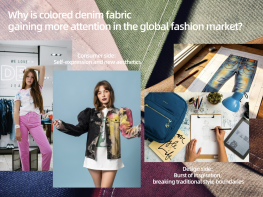
Global Market Shift Toward Color Denim Adoption
The global denim market is undergoing a decisive pivot toward color denim, driven by evolving consumer tastes and faster fashion cycles. Once dominated by indigo and black, denim assortments now span an expanding palette—from muted pastels to bold neons—across all price tiers. This shift is most pronounced in Europe and North America, where retailers have expanded shelf space for non-traditional shades to meet rising demand. Consumers value the versatility of vibrant jeans: they bridge casual and semi-formal wardrobes while enabling individual expression without compromising comfort.
Production innovations have resolved earlier concerns about uneven dyeing or premature fading, making color denim a reliable offering for both mass-market and premium brands. As demand for personalized fashion grows, these styles are no longer seasonal novelties but core product lines. Crucially, this evolution aligns with sustainability imperatives—advanced dyeing techniques significantly reduce water and chemical use. Market analysts project sustained growth, with color denim expected to claim an increasing share of global denim sales. Brands investing early in color-forward assortments are better positioned to gain traction in an increasingly competitive landscape.
Designer Runways and High-Fashion Legitimization of Color Denim
High-fashion adoption transformed color denim from utilitarian workwear into a runway-ready luxury medium. Designers began elevating denim decades ago—most notably when a prominent house debuted it on the catwalk in 1976, challenging entrenched perceptions overnight. That moment signaled denim’s entry into high-design circles worldwide.
Runway presentations redefined color denim as a versatile canvas for artistic expression. Through innovative cuts, sculptural silhouettes, and intentional washes, designers demonstrated how vibrant hues could coexist with couture-level tailoring. Fashion houses soon incorporated colored denim into seasonal collections—not as novelty pieces, but as considered, premium offerings—cementing its status as sophisticated, investment-worthy apparel.
Today, contemporary designers continue expanding its boundaries: recent collections feature color denim in structured blazers, draped evening gowns, and avant-garde accessories. This cross-category application confirms its adaptability beyond jeans—and affirms its legitimacy as a medium for sartorial innovation.
Gen Z Demand and Social Media-Driven Virality of Color Denim
Generation Z’s preference for bold, expressive fashion has made color denim a defining trend—amplified and accelerated by TikTok, Instagram, and peer-driven discovery. This demographic doesn’t just follow trends; they co-create them through hashtag challenges, remix culture, and influencer collaborations. Viral campaigns centered on colorful denim pieces routinely generate millions of views and double-digit engagement rates, underscoring the power of organic, community-led momentum.
Brands now prioritize social-first launches, knowing Gen Z values authenticity, visual impact, and shareability over traditional advertising. The result is rapid translation from digital buzz to retail reality: color denim’s social media visibility among European women surged 34% in mid-2025 alone. As younger consumers actively reject muted palettes in favor of vibrant self-expression, their online behavior directly shapes seasonal color strategies and in-store assortments.
Production Innovations Making Color Denim Scalable and Sustainable
Advanced dyeing and finishing technologies improving wash-fastness and eco-efficiency
Breakthroughs in dyeing and finishing have made vibrant color denim both scalable and sustainable. Waterless technologies—including foam dye application and ozone washing—cut water use by up to 95% versus conventional methods, without sacrificing color intensity. Laser finishing replaces chemical-heavy distressing, enabling precise, consistent fading free of hazardous substances. Bio-based enzymes improve indigo fixation, enhancing wash-fastness and reducing color bleed during laundering. Digital printing allows intricate, multi-hue patterns with minimal dye waste, while recycled polyester blends reinforce durability and long-term color retention. Together, these innovations optimize resource use across the production lifecycle—lowering the carbon footprint of color denim while supporting ethical, scalable manufacturing.
FAQ
What is driving the trend of color denim adoption in the global market?
Evolving consumer tastes, faster fashion cycles, and demand for versatility and self-expression are key drivers. Production innovations and sustainability efforts have also played a major role.
How has high fashion influenced the perception of color denim?
High fashion has legitimized color denim by incorporating it into runway shows and seasonal collections, demonstrating its versatility as a premium, investment-worthy material.
How does Gen Z’s behavior impact the popularity of color denim?
Gen Z drives the demand for bold, expressive fashion through social media platforms like TikTok and Instagram. Their participation in viral campaigns helps translate trends into retail success.
What are some key innovations in color denim production?
Advanced technologies like waterless dyeing, laser finishing, bio-based enzymes, and digital printing have made color denim more sustainable and scalable, reducing environmental impact.