 EN
EN

Understanding Printed Denim: How It's Made and What Affects Print Lifespan
What Is Printed Denim and How It Differs From Dyed Denim
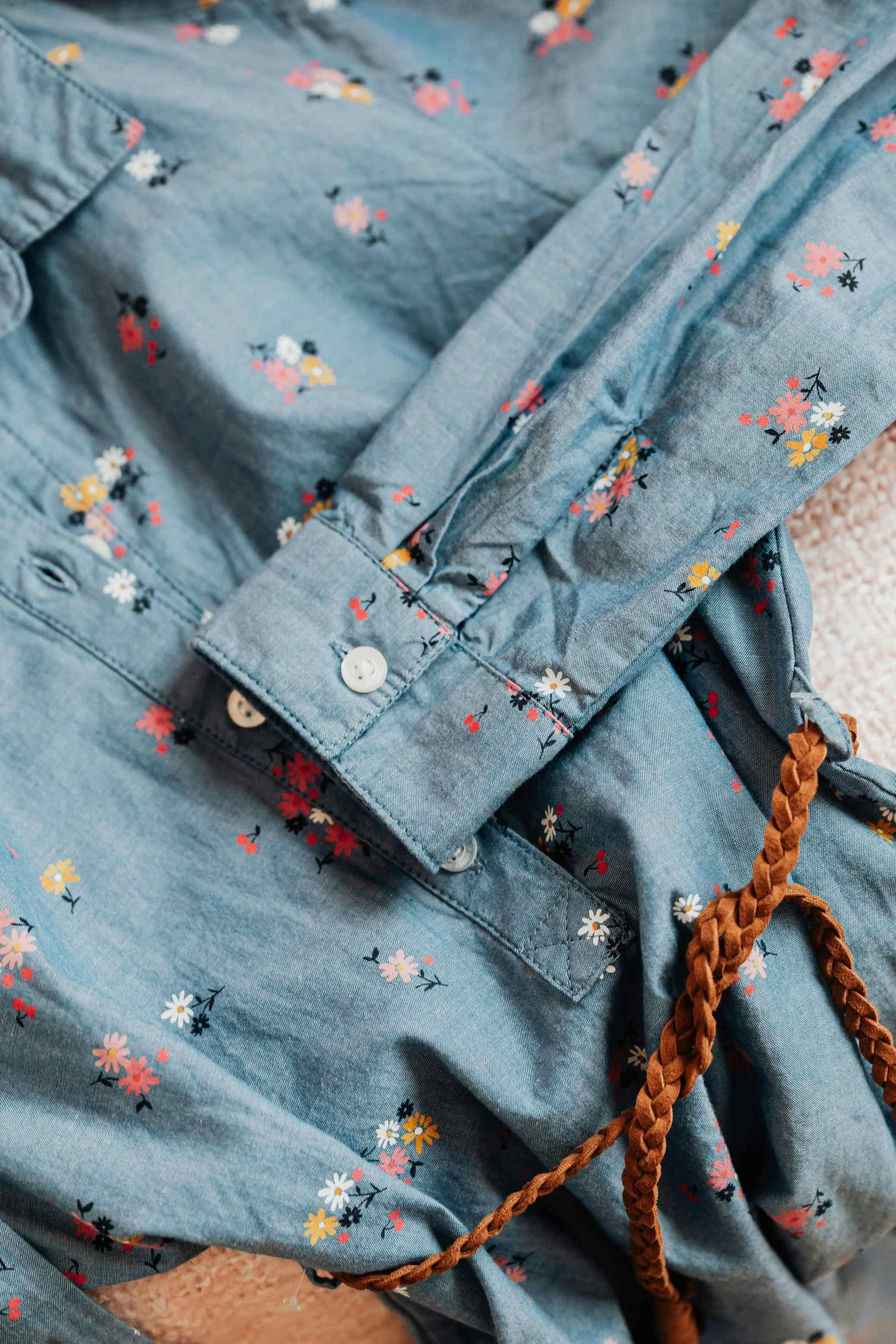
Denim that gets printed has designs put on top of the fabric through methods like screen printing, digital printing, or heat transfer stuff, which is totally different from how regular dyed denim works where the whole thing gets soaked in indigo dye. When denim is dyed traditionally, the color comes from soaking the yarn first. But printed denim keeps those surface textures visible underneath whatever pattern is printed, so these prints tend to wear out quicker over time. That's why those floral prints made with screens often start fading much faster compared to classic indigo jeans we all know and love. Look closely at areas that get stressed during normal wear, like around the seams, and you'll see this happens most clearly there.
Key Factors Influencing the Longevity of Prints on Denim
Three elements dictate print durability:
- Material construction: Tight 14-oz weaves protect prints better than lightweight alternatives
- Ink chemistry: Plastisol resists cracking longer than water-based inks
- Application method: Direct-to-garment (DTG) prints wear faster than industrial heat transfers
Wash frequency and abrasion from accessories like belts accelerate wear, with high-friction areas such as knees and pockets showing cracks within 20–30 wears for low-quality prints.
The Role of Base Fabric Quality in Print Durability
The quality of the base fabric makes all the difference when it comes to how well prints stick around. Premium denim usually has these long staple cotton fibers that give the surface a much smoother feel, which means ink actually bonds better instead of just flaking off after a few washes. Blends that contain polyester or recycled materials tend to act up in the laundry, warping shape and making those carefully applied designs peel away way too soon. Good quality denim goes through special shrinking processes before it hits store shelves, something that keeps the fabric from shifting around after purchase. This stability is absolutely essential if anyone wants their printed designs to last beyond the first trip through the washer and dryer cycle.
Physical and Environmental Factors That Degrade Denim Prints
Mechanical Stress and Fabric Wear in High-Movement Areas
Printed denim faces intense wear in areas like knees, thighs, and seat panels due to constant friction. A 2023 Ponemon Institute study found that abrasion from sitting and walking causes 72% of print deterioration in the first year of ownership. Reinforcement stitching and avoiding tight fits reduce stress on printed zones.
Impact of Fiber Composition on Printed Denim Resilience
Fiber blends directly affect print adhesion—65% cotton/35% polyester blends show 40% less cracking than 100% cotton denim (Textile Institute Journal, 2022). Synthetic fibers resist stretching that stresses printed layers, while organic cotton’s natural shrinkage during washing accelerates binder degradation.
UV Exposure and Its Role in Accelerating Print Fading
Sunlight bleaches printed designs 2.1x faster than chemical fading alone, with red and yellow pigments most vulnerable (Ponemon 2023). Ultraviolet radiation breaks molecular bonds in pigments; just 30 minutes of daily UV exposure halves print vibrancy within six months compared to indoor-only wear.
Thermal Degradation During Drying: Tumble Drying vs. Air Drying
High heat weakens print binders three times faster than ambient drying, according to AATCC thermal stress testing. Tumble drying at 60°C (140°F) causes microcracks in pigment layers, while air-drying preserves 89% of initial print resolution (Textile Institute Journal 2022). Always dry printed denim inside-out on flat surfaces.
Washing and Chemical Exposure: Their Impact on Print Adhesion and Color Fastness
Cold Water vs. Hot Water Washing: Impact on Print Adhesion
Using hot water above 40 degrees Celsius or around 104 Fahrenheit can really mess with the adhesive bonds in those screen printed and DTF denim designs, making them about 30% weaker than when washed in cold water. A recent study from the Textile Care folks in 2023 backs this up. When fabrics expand due to heat during washing, it actually causes tiny abrasions on the surface which then lift off the pigment particles from the denim. On the flip side, washing with cold water between 20 to 30 degrees Celsius (that's roughly 68 to 86 Fahrenheit) keeps the ink stuck to the fabric much better. Plus, switching to cold water saves a ton of energy too – somewhere around 75% less energy used in regular wash cycles according to most estimates.
Detergents and Chemicals: Harsh Additives That Degrade Binders in Printed Fabrics
Using phosphate-based detergents along with optical brighteners actually raises the chances of print failures by around 40%, mainly because they break down those important polyurethane binders that hold DTG prints together. The enzymes found in so-called "color-safe" laundry products are designed to attack protein-based adhesives, which is exactly what many vintage style prints rely on. If someone wants their prints to last longer, going with a detergent that has a neutral pH level below 7.5 makes sense. Chlorine bleach should definitely be avoided since even one wash cycle with it can knock down color fastness ratings by about two whole levels according to industry standards.
Enzyme Washes and Stone Washing: Risks to Surface-Applied Prints
The industrial enzyme wash method breaks down printed denim at least eight times quicker than regular washing methods when they mix cellulase enzymes with those rough pumice stones. What happens is that each wash cycle actually eats away around 15 to 20 microns from the fabric surface. That's pretty significant because it can strip away most plastisol prints completely within just 5 to 10 washes according to industry standards. Manufacturers have noticed something interesting though about laser printed designs. These tend to hold up much better against such aggressive treatment. Recent testing back in 2024 showed only about 12 percent color loss even after going through 20 full cycles of this intense washing process. Makes sense since laser printing bonds differently with the fabric compared to traditional techniques.
How Color Fastness Ratings Predict Print Longevity
The ISO 105-C06:2022 standard measures print durability through:
| Test Type | Pass/Fail Threshold | Real-World Equivalent |
|---|---|---|
| Crocking (Dry) | ≥ 4/5 grade | 50+ friction cycles |
| Crocking (Wet) | ≥ 3/5 grade | 20+ washes with color transfer |
| Light Exposure | ≥ 5/8 Blue Wool Scale | 6+ months outdoor UV resistance |
Denim meeting Grade 4 or higher across all tests typically retains 90% of original print vibrancy for over two years with proper care.
Best Practices for Caring for Printed Denim to Extend Print Life
Recommended Washing Frequency and Turnaround Time
Limit washing to every 4–6 wears unless visibly soiled, as overwashing accelerates ink degradation. A 2024 textile care study found that reducing wash cycles by 50% extends print vibrancy by 18 months. Spot-clean minor stains to avoid full immersion.
Use of Garment Bags and Inside-Out Washing Techniques
Turn printed denim inside-out before laundering to shield designs from mechanical stress. Mesh garment bags add protection against snags, while cold water (under 30°C/86°F) prevents binder breakdown in screen-printed or DTF designs.
Storage Conditions That Minimize Fading and Abrasion
Store in a dark, cool environment to slow UV-induced fading. Avoid hanging denim with sharp clips—fold along seam lines instead. For long-term storage, use acid-free tissue paper to prevent crease-related ink cracks.
Best Practices for Preserving Print Quality Through Laundering
- Skip fabric softeners: Their coatings weaken ink adhesion
- Air-dry flat on a towel to maintain fabric integrity
- Iron prints indirectly using a pressing cloth at low heat
Industry-leading denim care guides recommend checking color fastness ratings (4/5 or higher indicates superior fade resistance) before adopting specialized cleaning methods.
Innovations in Print Technology and Sustainable Denim for Longer-Lasting Designs
Advancements in Nano-Coating and Binder Technologies for Prints
Nanotech is changing how long prints last on denim by applying special nanoparticle layers that actually stick to the fabric fibers. New stuff coming out with these cross-linked polymer binders keeps around 92 percent of the print intact even after 50 washes according to Textile Research Journal from last year. That beats what we normally see with regular screen printing methods. What makes these coatings really useful is they push away water, oil stains, and wear damage without making the jeans stiff or uncomfortable. For years there was always this problem where either the prints wore off too quickly or the fabric became too rigid, but now manufacturers can get both good looks and lasting comfort in their denim products.
Eco-Friendly Dyes and Their Performance in Long-Term Wear Testing
Plant-based indigo alternatives and bacterial pigments now achieve color fastness ratings matching synthetic dyes, with microbial-derived prints showing 40% less fading after 200 hours of UV exposure. A 2023 comparative study found algal-based black dyes retained 89% vibrancy after six months of regular wear, outperforming petroleum-based equivalents by 17%.
Trend: On-Demand Printing Reducing Overproduction and Extending Garment Relevance
The new digital direct-to-garment printing systems are cutting down on fabric waste quite a bit actually around 33% at places where they were first implemented. These facilities wait until someone confirms their order before printing any designs on clothes. The technology mixes RFID tags for tracking what's in stock with smart pattern recognition software to make custom prints without leaving piles of unused inventory behind. This matters a lot because traditionally about 13% of all denim made worldwide just sits there unsold according to the Circular Fashion Report from last year. Something needs to change here obviously.
FAQ
What is printed denim?
Printed denim involves designs applied to the fabric through methods like screen printing, digital printing, or heat transfer, unlike dyed denim where yarn is soaked in indigo dye.
What factors affect the longevity of denim prints?
Longevity is influenced by material construction, ink chemistry, and application methods, with elements like wash frequency and abrasion accelerating wear.
How do washing methods impact denim prints?
Hot water can weaken adhesive bonds in printed designs, while cold water washing preserves ink adhesion and saves energy.
What practices help extend the life of printed denim?
Limiting wash frequency, washing designs inside-out, using garment bags, and storing in cool, dark environments extend print life.
Are there eco-friendly advancements in denim prints?
Advancements include plant-based indigo dyes, bacterial pigments, and nano-coating technologies improving durability and reducing environmental impact.
Table of Contents
- Understanding Printed Denim: How It's Made and What Affects Print Lifespan
- Physical and Environmental Factors That Degrade Denim Prints
- Washing and Chemical Exposure: Their Impact on Print Adhesion and Color Fastness
- Best Practices for Caring for Printed Denim to Extend Print Life
- Innovations in Print Technology and Sustainable Denim for Longer-Lasting Designs
- FAQ