 EN
EN

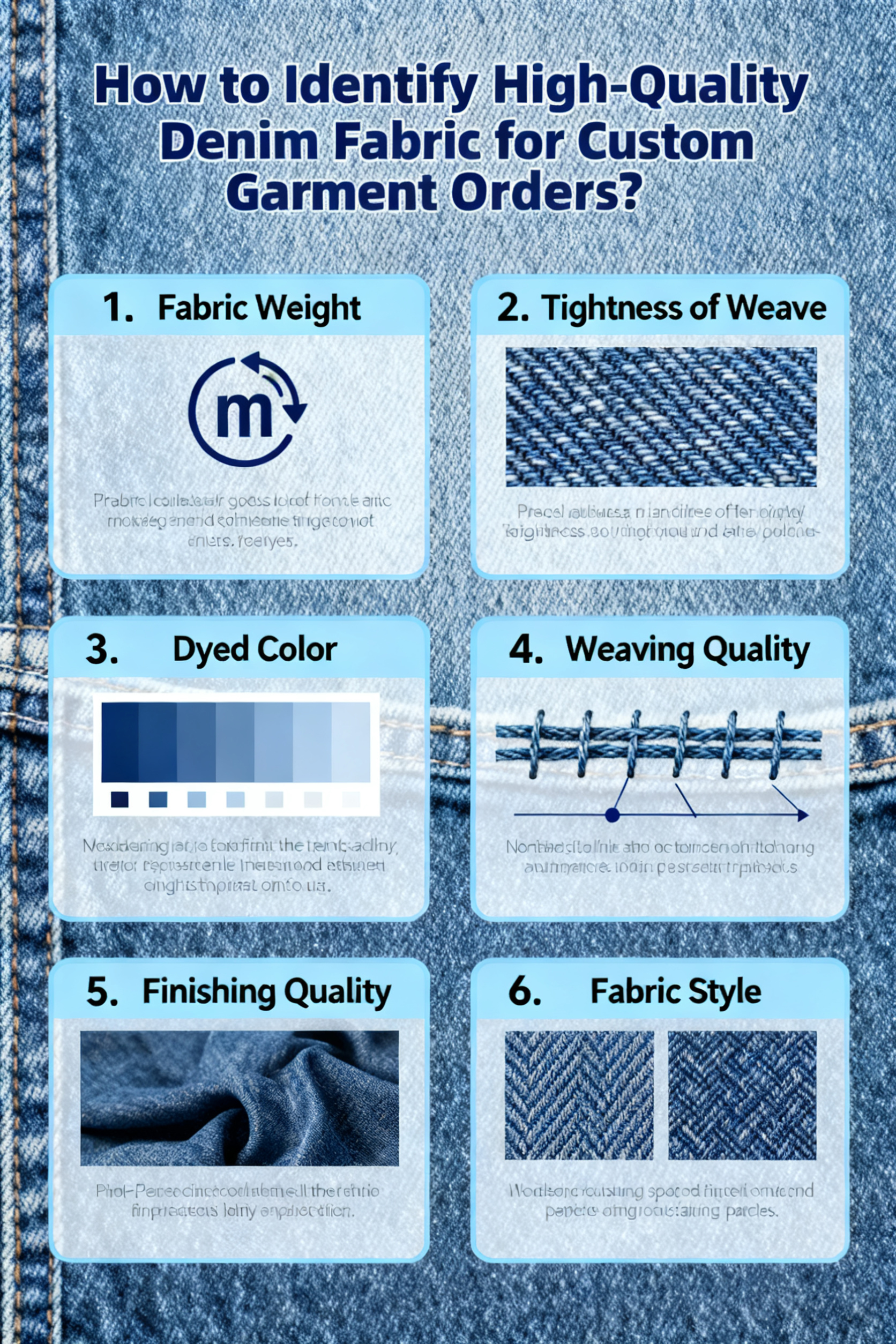
Understand Denim Weight and Thickness for Durability and Fit
Interpreting Denim Weight (oz) and Its Effect on Drape, Structure, and End-Use
The weight of denim fabric, measured in ounces per square yard (oz/yd²), plays a big role in how it drapes, holds its shape, and what kinds of clothes it works best for. Lightweight denim weighing around 8 to 10 oz is super flexible and breathable, making it great for everyday casual wear or summer outfits. However, these lighter weights tend to show signs of wear much quicker when subjected to constant friction. Medium weight denim falls between 12 and 14 oz and probably represents the sweet spot for most people. It has enough substance to maintain its form without feeling stiff, yet remains comfortable enough for regular use throughout different seasons. Then there's the heavy stuff at 16 oz and above which practically screams durability. These heavier denims resist abrasion really well and last forever, which explains why they're so popular among those who need tough clothing for jobs or classic jeans lovers. But getting used to them takes time as they need to soften up before fitting properly on the body. According to tests done by manufacturers, 15 oz denim can handle about 40% more rubbing damage compared to the lighter 10 oz versions, which just goes to show why picking the right weight matters depending on what we actually plan to do with our jeans.
Measuring Fabric Thickness and Consistency: Tools and Tolerances for Bulk Sourcing
| Weight Category | Thickness Range | Ideal Use Case | Durability Factor |
|---|---|---|---|
| Lightweight | < 10 oz | Summer fashion | Moderate |
| Medium | 12–14 oz | Daily wear | High |
| Heavyweight | 16+ oz | Work/Heritage | Exceptional |
Thickness consistency matters a lot when buying in bulk. Most quality manufacturers rely on digital calipers and GSM cutters to check how even the fabric is across entire production runs, though top tier mills usually stay within about 5% variation. When doing inspections, it's good practice to take measurements at three different spots along each linear yard. This helps catch those small inconsistencies that can actually affect how seams hold up or if garments end up looking asymmetrical. According to ASTM D5034 tests, lighter weight fabrics below 12 ounces tend to fail at seams about 30% quicker compared to heavier materials. That explains why getting right about fabric thickness goes beyond just appearance issues. It really impacts how well products perform over time. Anyone placing custom orders should make sure to specify exactly what level of thickness variation they'll accept in their purchase agreements. Clear specifications protect everyone involved from quality surprises down the road.
Analyze Weave Structure, Selvage Type, and Fiber Composition
Weave Density and Tension: Evaluating Warp/Weft Construction for Longevity
The durability story really starts back at the weaving stage. How long denim lasts depends heavily on how densely packed those warp and weft threads are, plus whether they're all pulled with consistent tension across the fabric. When manufacturers create something that's pretty tightly woven, usually around 13 ounces per square yard or more, this gives the material much better resistance to tearing and helps it keep its shape over time. If there's uneven tension during production, certain areas become weaker spots where fraying happens faster and seams might start coming apart sooner than expected. Most good quality denim contains between 60 to 80 warp threads alongside 40 to 60 weft threads within each square inch. And here's an interesting fact from recent testing done by the Textile Institute in 2023: fabrics made with denser twill weave patterns, which is basically what makes up most denim, lasted nearly 38 percent longer when subjected to wear tests compared to lighter weight plain weave alternatives.
Selvage vs. Open-End Denim: Quality, Authenticity, and Manufacturing Precision
Selvage denim comes from old school shuttle looms and has those neat finished edges that stop threads from coming loose. The way it's woven creates this consistent tension throughout the whole fabric width. What we get is that signature diagonal rib pattern and much less chance of fraying at the edges compared to regular open end denim. Open end machines definitely crank out more product faster, but there's usually some tension issues in the weave. These problems show up as weird fading patterns, fabric twisting, or panels that just don't hold their shape as well over time. When making high quality custom pieces where the fit needs to stay perfect for years, most serious tailors still reach for selvage material. It's become sort of a gold standard in the industry for how structurally sound and well made these fabrics really are.
Denim Fabric Composition: Balancing Cotton, Elastane, and Sustainable Fibers
For performance oriented denim, most manufacturers aim for around 96 to 98 percent cotton mixed with 2 to 4 percent elastane. This gives just enough stretch for comfort and movement without sacrificing strength or breathability. Pure cotton denim does great with airflow and develops those nice vintage characteristics over time, but it doesn't bounce back after stretching. When synthetics go above 8%, problems start showing up: more pilling happens, fibers stick together less well, and the fabric breaks down quicker when exposed to sunlight or washed repeatedly. Green tech has made real progress lately though. Blends using recycled cotton and Tencel lyocell actually save about 30% water during production while still hitting the same strength requirements as regular denim according to ISO 13934-1 standards. Top quality mills don't rely solely on what suppliers say about their materials. They check compositions themselves using microscopes and special burning tests to make sure every batch meets expectations.
Implement Fabric Inspection Protocols to Ensure Quality Control
Detecting Common Defects: Holes, Stains, and Weaving Flaws Using AQC Standards
Rigorous inspection using Acceptance Quality Control (AQC) standards is essential to intercept flaws before cutting. The widely adopted 4-point system assigns severity-based scores per linear yard:
- Critical defects (e.g., holes >1 inch, broken warp ends) = 4 points
- Major defects (e.g., oil stains, skipped picks) = 3 points
- Minor defects (e.g., minor slubs, slight shade variation) = 1 point
Fabric lots exceeding 40 points per 100 yards correlate with a 28% increase in finished-garment rejection rates (Textile Standards Council, 2023). Effective detection requires backlit inspection tables, standardized lighting (D65), and technicians trained to recognize both visible and sub-surface anomalies—every roll must be reviewed end-to-end.
Assessing Hand Feel and Texture: Bridging Subjective Evaluation with Objective Criteria
Hand feel is not merely subjective—it's a functional indicator tied to performance. Technicians quantify tactile attributes using calibrated instruments:
- Stiffness, measured via durometer (target range: 65–75 Shore A for structured workwear; 45–55 for soft casual denim)
- Surface texture, assessed using profilometry (Ra ≤ 8μm for refined finishes; Ra ≥ 12μm for raw, textured character)
Cross-referencing sensory feedback with instrument data minimizes bias and ensures reproducibility. Increasingly, mills supplement manual evaluation with digital touch sensors that generate drape coefficients and softness indices—translating “hand” into actionable, spec-driven metrics for bulk sourcing.
FAQ Section
What is the importance of denim weight in choosing the right jeans?
Denim weight affects the durability, comfort, and ideal use case of jeans. Lightweight denim is suitable for casual wear, heavier denim offers better durability for workwear.
How is fabric thickness measured?
Fabric thickness is checked using digital calipers and GSM cutters for consistency across production runs, crucial for bulk sourcing.
What differentiates selvage denim from open-end denim?
Selvage denim is woven on old-school shuttle looms, offering finished edges that prevent fraying, while open-end denim is produced faster but may have tension issues affecting durability.