 EN
EN

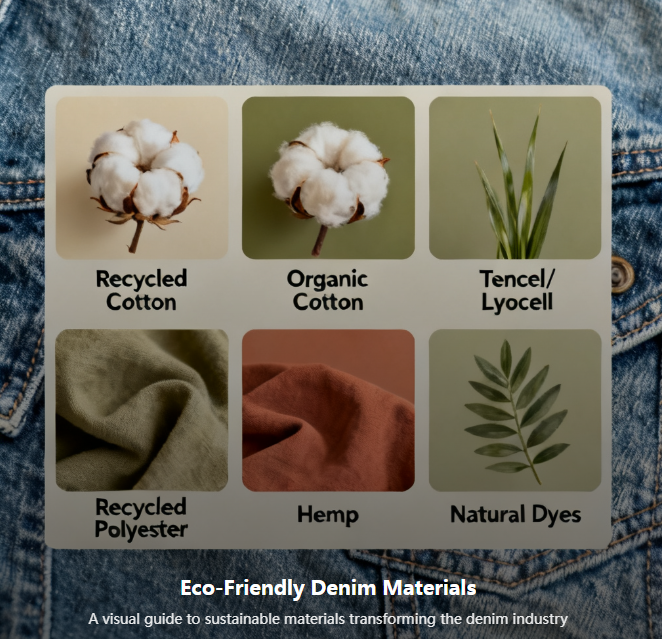
Organic Cotton: The Cornerstone of Sustainable Denim
Why Organic Cotton Reduces Water Use and Toxic Runoff
When farmers grow organic cotton, they skip all those synthetic pesticides and fertilizers which means no harmful chemicals washing into our waterways. Regular cotton farming actually takes in around 16% of all insecticides used worldwide according to Pesticide Action Network from 2021. Organic farms take different approaches though, rotating crops throughout the season, bringing in helpful bugs as natural pest control, and enriching soils with compost instead of artificial additives. The result? Soil becomes healthier and better at holding water too. Studies show this can cut down on irrigation requirements by nearly 90% when compared with traditional cotton growing methods Textile Exchange reported back in 2022. Plus, since organic practices avoid genetically modified seeds and chemical treatments, local water sources stay cleaner and wildlife habitats remain intact. These benefits make organic cotton production not just good for the environment but essential if we want to create genuinely sustainable jeans for future generations.
A Leading Denim Brand’s Water
One leading brand's Water
Recycled Fibers: Closing the Loop in Sustainable Denim
Recycled Cotton: Transforming Post-Industrial and Post-Consumer Waste
Recycling cotton keeps tons of fabric out of landfills by turning factory leftovers (what we call post-industrial waste) and old clothes (post-consumer stuff) back into fresh denim. According to Ponemon's research from last year, this method cuts down on water consumption by about 80% compared to regular cotton production. That means saving around 2,700 liters of water for every kilogram of material processed. Post-industrial cotton tends to work better because the fibers are longer and cleaner, but when dealing with old garments, companies need special equipment to sort through mixed fabrics and remove leftover dye. Thanks to recent advances in both mechanical processing and chemical treatments, many denim brands can now mix in 20 to 40% recycled cotton without affecting how strong or durable the fabric remains. Initiatives like the Denim Deal supported by Fashion for Good have pushed the entire industry toward setting specific goals for incorporating recycled materials, which is slowly changing how manufacturers think about sustainability in their supply chains.
Circular Business Models: Lease Systems in Action
A few innovative clothing brands have started thinking outside the box when it comes to how people buy jeans. Instead of just selling them outright, they offer lease programs where folks pay monthly fees to wear top quality denim. The best part? These programs come with free fixes if something gets damaged and give customers sweet deals on their next lease when they return old jeans. That's why so many people bring back their worn out pairs - around 92% of them actually do. What happens to all those returned jeans? Well, some get fixed up and put back on store shelves while others get broken down into fibers to make completely new clothes. This keeps roughly 12 thousand pairs out of landfills every single year. When companies stop relying solely on selling brand new materials, they cut down on virgin fiber needs by almost a third. Plus, all this activity creates detailed information about how long clothes last and where they end up, which helps designers create better recycling systems and figure out smarter ways to ship and handle used garments.
Next-Gen Natural Fibers: Tencel, Hemp, and Linen in Denim Blends
Tencel™ Lyocell: Low-Impact Processing and Enhanced Biodegradability
Tencel Lyocell is basically a type of lyocell fiber made from wood pulp that comes from sustainable sources. What makes it stand out is the way they make it using this special closed loop process where they recover and reuse around 99% of both water and those non toxic solvents. This is pretty different from regular synthetic fabrics or even standard viscose materials because Tencel will actually break down completely in soil or ocean environments within just a few weeks time. The fabric has this really smooth texture that helps clothes breathe better and wick away moisture when blended into denim products. People find themselves more comfortable wearing these blends no matter what climate they're in, all without needing any extra chemical treatments. Most top denim manufacturers are turning to Tencel these days not just because it's good for the planet, but also because it gives their fabrics a nicer feel between fingers and creates better draping qualities in jeans designed for people who want sustainability without sacrificing style.
Hemp & Linen: Drought-Resistant, Soil-Regenerative Alternatives
-
Hemp requires no synthetic pesticides and uses up to 50% less water than conventional cotton. Its deep taproot system prevents erosion, improves soil structure, and sequesters atmospheric carbon at rates exceeding most annual crops.
-
Linen, derived from flax, thrives in marginal soils with minimal irrigation and no chemical inputs. Both fibers offer exceptional tensile strength and natural thermoregulation—blending seamlessly with organic cotton to reinforce durability and reduce reliance on synthetic performance additives.
Together, these regenerative crops rebuild farmland health while delivering breathable, long-wearing denim alternatives rooted in ecological stewardship.
Navigating Trade-Offs: Recycled Polyester and Microplastic Realities
The Role of rPET in Reducing Virgin Plastic—And Its Environmental Cost
Polyethylene terephthalate that's been recycled (rPET) comes mostly from old plastic bottles and really cuts down on how much new polyester goes into making jeans. This helps keep tons of trash out of landfills and saves about 40% energy compared to producing brand new polyester according to Textile Exchange data. But there are some big downsides to consider. When they mechanically recycle the fibers, they actually get shorter each time around, which means they can't be reused as much. The chemical recycling method is another problem because it takes a lot of energy and needs dangerous chemicals. And here's something even more concerning: every single polyester fabric sheds tiny plastic bits when washed. Research shows that one laundry cycle can send almost 700 thousand microfibers into our water systems. Many of these slip past treatment facilities and end up in lakes, rivers, and oceans, as noted by the International Union for Conservation of Nature back in 2021. Even though using rPET makes sense for recycling materials, we need better ways to handle what happens after the product leaves the factory. Solutions might include filters built into washing machines, mixing natural and synthetic fibers together, or pushing for government support to upgrade our waste management systems so we don't just move problems from one place to another.
FAQ Section
What is organic cotton?
Organic cotton is a type of cotton that is grown without the use of synthetic pesticides and fertilizers, utilizing natural practices such as crop rotation and composting for healthier soils and reduced environmental impact.
How does organic cotton benefit the environment?
Organic cotton uses fewer insecticides and reduces toxic runoff, leading to healthier soils and cleaner waterways. It also significantly decreases irrigation requirements compared to traditional cotton farming.
What are recycled fibers in denim?
Recycled fibers in denim come from post-industrial and post-consumer waste, transforming factory leftovers and old garments into new, sustainable denim products.
What is rPET and how does it impact sustainability?
rPET is recycled polyethylene terephthalate, primarily derived from plastic bottles, which reduces the need for virgin plastic in manufacturing, thereby saving energy and reducing landfill waste, though it can release microplastics into water systems.
One leading brand's Water Recycling cotton keeps tons of fabric out of landfills by turning factory leftovers (what we call post-industrial waste) and old clothes (post-consumer stuff) back into fresh denim. According to Ponemon's research from last year, this method cuts down on water consumption by about 80% compared to regular cotton production. That means saving around 2,700 liters of water for every kilogram of material processed. Post-industrial cotton tends to work better because the fibers are longer and cleaner, but when dealing with old garments, companies need special equipment to sort through mixed fabrics and remove leftover dye. Thanks to recent advances in both mechanical processing and chemical treatments, many denim brands can now mix in 20 to 40% recycled cotton without affecting how strong or durable the fabric remains. Initiatives like the Denim Deal supported by Fashion for Good have pushed the entire industry toward setting specific goals for incorporating recycled materials, which is slowly changing how manufacturers think about sustainability in their supply chains. A few innovative clothing brands have started thinking outside the box when it comes to how people buy jeans. Instead of just selling them outright, they offer lease programs where folks pay monthly fees to wear top quality denim. The best part? These programs come with free fixes if something gets damaged and give customers sweet deals on their next lease when they return old jeans. That's why so many people bring back their worn out pairs - around 92% of them actually do. What happens to all those returned jeans? Well, some get fixed up and put back on store shelves while others get broken down into fibers to make completely new clothes. This keeps roughly 12 thousand pairs out of landfills every single year. When companies stop relying solely on selling brand new materials, they cut down on virgin fiber needs by almost a third. Plus, all this activity creates detailed information about how long clothes last and where they end up, which helps designers create better recycling systems and figure out smarter ways to ship and handle used garments. Tencel Lyocell is basically a type of lyocell fiber made from wood pulp that comes from sustainable sources. What makes it stand out is the way they make it using this special closed loop process where they recover and reuse around 99% of both water and those non toxic solvents. This is pretty different from regular synthetic fabrics or even standard viscose materials because Tencel will actually break down completely in soil or ocean environments within just a few weeks time. The fabric has this really smooth texture that helps clothes breathe better and wick away moisture when blended into denim products. People find themselves more comfortable wearing these blends no matter what climate they're in, all without needing any extra chemical treatments. Most top denim manufacturers are turning to Tencel these days not just because it's good for the planet, but also because it gives their fabrics a nicer feel between fingers and creates better draping qualities in jeans designed for people who want sustainability without sacrificing style. Together, these regenerative crops rebuild farmland health while delivering breathable, long-wearing denim alternatives rooted in ecological stewardship. Polyethylene terephthalate that's been recycled (rPET) comes mostly from old plastic bottles and really cuts down on how much new polyester goes into making jeans. This helps keep tons of trash out of landfills and saves about 40% energy compared to producing brand new polyester according to Textile Exchange data. But there are some big downsides to consider. When they mechanically recycle the fibers, they actually get shorter each time around, which means they can't be reused as much. The chemical recycling method is another problem because it takes a lot of energy and needs dangerous chemicals. And here's something even more concerning: every single polyester fabric sheds tiny plastic bits when washed. Research shows that one laundry cycle can send almost 700 thousand microfibers into our water systems. Many of these slip past treatment facilities and end up in lakes, rivers, and oceans, as noted by the International Union for Conservation of Nature back in 2021. Even though using rPET makes sense for recycling materials, we need better ways to handle what happens after the product leaves the factory. Solutions might include filters built into washing machines, mixing natural and synthetic fibers together, or pushing for government support to upgrade our waste management systems so we don't just move problems from one place to another. Organic cotton is a type of cotton that is grown without the use of synthetic pesticides and fertilizers, utilizing natural practices such as crop rotation and composting for healthier soils and reduced environmental impact. Organic cotton uses fewer insecticides and reduces toxic runoff, leading to healthier soils and cleaner waterways. It also significantly decreases irrigation requirements compared to traditional cotton farming. Recycled fibers in denim come from post-industrial and post-consumer waste, transforming factory leftovers and old garments into new, sustainable denim products. rPET is recycled polyethylene terephthalate, primarily derived from plastic bottles, which reduces the need for virgin plastic in manufacturing, thereby saving energy and reducing landfill waste, though it can release microplastics into water systems.Recycled Fibers: Closing the Loop in Sustainable Denim
Recycled Cotton: Transforming Post-Industrial and Post-Consumer Waste
Circular Business Models: Lease Systems in Action
Next-Gen Natural Fibers: Tencel, Hemp, and Linen in Denim Blends
Tencel™ Lyocell: Low-Impact Processing and Enhanced Biodegradability
Hemp & Linen: Drought-Resistant, Soil-Regenerative Alternatives
Navigating Trade-Offs: Recycled Polyester and Microplastic Realities
The Role of rPET in Reducing Virgin Plastic—And Its Environmental Cost
FAQ Section
What is organic cotton?
How does organic cotton benefit the environment?
What are recycled fibers in denim?
What is rPET and how does it impact sustainability?