 EN
EN

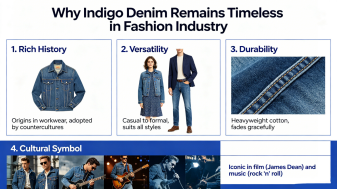
ភាពទាក់ទាញដែលគង់វង្សនៃវ៉ាយឥណ្ឌាប៊លូ: ជំនាញ គីមី និងសារសំខាន់ផ្នែកវប្បធម៌
ពីដើមកំណើតបុរាណទៅការប៉ាន់ប្រាយក្នុងឧស្សាហកម្ម: របៀបដែលឥណ្ឌាប៊លូបានបង្កើតអត្តសញ្ញាណនៃវ៉ាយ
ការប៉ះពាល់ដោយឥណ្ឌាប៊លូគឺជាសិល្បៈគីមីមួយក្នុងចំណោមសិល្បៈដែលចាស់បំផុតរបស់មនុស្ស—ដែលត្រូវបានតាមដានជាង ៤,០០០ ឆ្នាំនៅតាមប្រទេសអេហ្ស៊ីបបុរាណ ប៉េរូ អាហ្វ្រិកខាងលិច និងជប៉ុន។ ពណ៌នេះត្រូវបានប្រមូលពីស្លឹករបស់រុក្ខជាតិ Indigofera ដែលបានប្រមូលពីស្លឹករបស់រុក្ខជាតិ Indigofera តាមរយៈការប៉ះពាល់ដោយការប៉ះពាល់ដោយការប៉ះពាល់ដោយការប៉ះពាល់ដោយការប៉ះពាល់ដោយការប៉ះពាល់ដោយការប៉ះពាល់ដោយការប៉ះពាល់ដោយការប៉ះពាល់ដោយការប៉ះពាល់ដោយការប៉ះពាល់ដោយការប៉ះពាល់ដោយការប៉ះពាល់ដោយការប៉ះពាល់ដោយការប៉ះពាល់ដោយការប៉ះពាល់ដោយការប៉ះពាល់ដោយការប៉ះពាល់ដោយការប៉ះពាល់ដោយការប៉ះពាល់ដោយការប៉ះពាល់ដោយការប៉ះពាល់ដោយការប៉ះពាល់ដោយការប៉ះពាល់ដោយការប៉ះពាល់ដោយការប៉ះពាល់ដោយការប៉ះពាល់ដោយការប៉ះពាល់ដោយការប៉ះពាល់ដោយការប៉ះពាល់ដោយការប៉ះពាល់...... បន្ទាប់មកអនុវត្តដោយការចុះចូលជាច្រើនដង ហើយការអុកស៊ីតកម្មដោយខ្យល់—ដែលជាដំណាំដែលទាមទារពេលវេលាជាច្រើន ហើយបានធ្វើឱ្យឥណ្ឌាប៊លូទទួលបានឈ្មោះថា «មាសខៀវ»។ ភាពរលាប់ និងភាពជ្រៅរបស់វាបានធ្វើឱ្យវាក្លាយជាវត្ថុដែលមានតម្លៃខ្ពស់ មុនពេលវ៉ាយមានការបង្កើតឡើងជាច្រើនឆ្នាំមកហើយ។
ការបដិវ័ត្តន៍ឧស្សាហកម្មបានផ្លាស់ប្តូរផ្លូវរបស់ឥណ្ឌាកូ (indigo)។ នៅឆ្នាំ ១៨៨០ អ្នកគីមីវិទូជាមនុស្សអាល្លឺម៉ង់បានបង្កើតសារធាតុនេះឡើងវិញដោយសិល្បៈ; ហើយនៅឆ្នាំ ១៨៩៧ ឥណ្ឌាកូសំយោគបានជំនួសប្រភពធម្មជាតិភាគច្រើន។ ការប៉ះទង្វាត់នេះបានធ្វើឱ្យការប្រើប្រាស់ថ្នាំបាក់បែកមានស្ថេរភាព និងអាចពង្រីកបាន—ដែលធ្វើឱ្យសំលៀកប៉ាក់ធ្វើពី denim ដែលមានស្ថេរភាព និងងាយរីងស្ងួត ក្លាយជាប្រក្រតីសម្រាប់ផលិតកម្មសំលៀកប៉ាក់ធ្វើការជាមួយចំនួនច្រើន។ សំខាន់បំផុត ការផ្លាស់ប្តូរពីធុងប្រើដោយអ្នកជំនាញដៃទៅកាន់បន្ទាត់បាក់បែកដែលប្រើយន្តសាស្ត្រមិនបានធ្វើឱ្យឥណ្ឌាកូបាត់បង់ភាពទាក់ទាញរបស់វា—ផ្ទុយទៅវិញ វាបានធ្វើឱ្យឥណ្ឌាកូក្លាយជារបស់សាធារណៈ ហើយបានបញ្ចូលជំរៅ និងការវិវត្តន៍ដែលជាលក្ខណៈសម្បត្តិរបស់ថ្នាំបាក់បែកនេះចូលទៅក្នុង DNA នៃសំលៀកប៉ាក់ខៀវអាមេរិកាន់។
សារធាតុភ្ជាប់ពិសេស៖ ហេតុអ្វីបានជាការបាក់បែកដោយឥណ្ឌាកូបង្កើតបាននូវជំរៅ និងសក្ដានុពលរីងស្ងួតដែលគ្មានគូទេ
អាថ៌កំបាំងរបស់ឥណ្ឌាកូមិនស្ថិតនៅតែនឹងពណ៌របស់វាប៉ុណ្ណោះទេ ប៉ុន្តែក៏ស្ថិតនៅតែនឹងរបៀបដែលវាភ្ជាប់ជាមួយសូត្រផងដែរ។ ផ្ទុយពីថ្នាំបាក់បែកភាគច្រើនដែលធ្វើការចូលទៅក្នុងសូត្រ ឥណ្ឌាកូបង្កើតបានជាប៉ូលីក្រីស្តាល់ដែលមិនអាចរលាយ ហើយភ្ជាប់តែនឹងផ្ទៃខាងក្រៅប៉ុណ្ណោះ—ដែលជាបារម្ភដែលគេស្គាល់ថា ការបាក់បែកជារង្វង់ សារធាតុនេះបង្កើតបាននូវសារធាតុផ្ទៃខាងក្រៅដែលមានលក្ខណៈផ្ទៃរាបស្មើ ហេតុនេះបានធ្វើឱ្យសំពត់ដែនីមមានការបាក់បែកយ៉ាងច្បាស់: ការប៉ះទង្គិចបន្តិចម្តងៗបានដកស្រោបពណ៌ខៀវចេញ ហើយបង្ហាញផ្នែកខាងក្នុងដែលមិនមានពណ៌ (ពណ៌ស) ដែលមានភាពផ្ទុយគ្នាខ្លាំង ដែលបានបង្កើតឡើងដោយសារការធ្វើចលនា ទីតាំងរាងកាយ និងការស្លៀកប្រើប្រាស់។
គីមីវិទ្យានេះផ្តល់ទាំងតម្លៃសិល្បៈ និងតម្លៃប្រើប្រាស់។ ផ្ទៃដែលមានរចនាសម្រាប់បង្កើតជាប៉ោងប៉ោងបានផ្តល់នូវសមត្ថភាពទប់ទល់នឹងទឹក និងដីបានបន្តិចបន្តួច ពេលដែលការពារសារធាតុបាក់កែវពីការបាក់បែកមុនអាយុកាល។ ប៉ុន្តែសំខាន់ជាងនេះ វាធ្វើឱ្យសម្លៀកប៉ាក់នីមួយៗក្លាយជាប៉ារ៉ាម៉ែត្រឆ្លុះបញ្ចាំងពីជីវិតរបស់អ្នកស្លៀកប្រើប្រាស់ ដែលប៉ះពាល់ដល់សារធាតុផ្ទៃខាងក្រៅ ហើយប៉ះពាល់ដល់សារធាតុផ្ទៃខាងក្នុង ដែលប៉ះពាល់ដល់សារធាតុផ្ទៃខាងក្រៅ ហើយប៉ះពាល់ដល់សារធាតុផ្ទៃខាងក្នុង ដែលប៉ះពាល់ដល់សារធាតុផ្ទៃខាងក្រៅ ហើយប៉ះពាល់ដល់សារធាតុផ្ទៃខាងក្នុង ដែលប៉ះពាល់ដល់សារធាតុផ្ទៃខាងក្រៅ ហើយប៉ះពាល់ដល់សារធាតុផ្ទៃខាងក្នុង ដែលប៉ះពាល់ដល់សារធាតុផ្ទៃខាងក្រៅ ហើយប៉ះពាល់ដល់សារធាតុផ្ទៃខាងក្នុង ដែលប៉ះពាល់ដល់សារធាតុផ្ទៃខាងក្រៅ ហើយប៉ះពាល់ដល់សារធាតុផ្ទៃខាងក្នុង ដែលប៉ះពាល់ដល់សារធាតុផ្ទៃខាងក្រៅ ហើយប៉ះពាល់ដល់សារធាតុផ្ទៃខាងក្នុង ដែលប៉ះពាល់ដល់សារធាតុផ្ទៃខាងក្រៅ ហើយប៉ះពាល់ដល់សារធាតុផ្ទៃខាងក្ន......
លេវី ស្ត្រៅស ទៅ រាយវ៉ែន: ឫសគល់ប្រកបដោយប្រសិទ្ធភាព និងការបង្កើតឡើងវិញជានិមិត្តរូប
រាស្ត្រអន្តរជាតិបានស្គាល់ពីការប្រើប្រាស់ខោធ្វើពីសំពត់ឥណ្ឌាកៅ (indigo denim) ជាលើកដំបូងនៅឆ្នាំ ១៨៧៣ នៅពេលដែលលេវី ស្ត្រេស (Levi Strauss) និងច៉ាកុប ដេវីស (Jacob Davis) បានចុះបញ្ជីសិទ្ធិប៉ាតង់សម្រាប់ខោធ្វើពីសំពត់ឥណ្ឌាកៅដែលមានគ្រាប់សំរាប់រឹងមាំសម្រាប់កម្មកររីលវេ (railroad laborers) និងអ្នករីករាយរើសរាក់ (miners)។ ភាពរឹងមាំរបស់វា— និងសមត្ថភាពរបស់សំពត់ឥណ្ឌាកៅក្នុងការទន់យឺត និងបាក់បែនយឺតៗដោយស្រស់ស្អាត— បានធ្វើឱ្យវាក្លាយជាបរិក្ខារដែលមិនអាចខានបាន។ នៅដើមសតវត្សទី២០ សំពត់ឥណ្ឌាកៅបានក្លាយជាបរិក្ខារស្តង់ដារសម្រាប់អ្នកធ្វើការគ្រប់វិស័យនៅសហរដ្ឋអាមេរិក។
ការប្រែប្រួលនៃសារប្រកាសរបស់វាបានចាប់ផ្តើមឡើងនៅទសវត្សរ៍ឆ្នាំ ១៩៣០ នៅពេលដែលរឿងវេស្តើន (Westerns) របស់ហូលីវែដ (Hollywood) បានបង្ហាញអ្នកចិញ្ចឹមគោ (cowboys) ដែលស្លៀកសំពត់ឥណ្ឌាកៅ ថាជាអ្នកបុរសដែលមានភាពរឹងមាំ និងឯករាជ្យ។ ប៉ុន្តែការផ្លាស់ប្តូរដ៏សំខាន់បំផុតបានកើតឡើងនៅទសវត្សរ៍ឆ្នាំ ១៩៥០៖ អ្នករចនា និងអ្នកលក់បានបង្ហាញខោជីន (jeans) ថាជាបរិក្ខារសម្រាប់ការសម្រាក ដោយប្រើប្រាស់ភាពស្មោះត្រង់ និងភាពងាយស្រួលរបស់វា។ នៅទសវត្សរ៍ឆ្នាំ ១៩៧០ កាលវីន ខ្លាយន៍ (Calvin Klein) និងក្លោរីយ៉ា វ៉ាន់ឌេრបីល (Gloria Vanderbilt) បានលើកតម្កើងសំពត់ឥណ្ឌាកៅឱ្យឡើងលើឆាកបង្ហាញសម្លៀកប៉ាក់ (runways) ដោយប្រើរាងកាយដែលបានរចនាដោយប្រុងប្រយ័ត្ន ការបញ្ចប់ដែលមានគុណភាពខ្ពស់ និងការបង្ហាញម៉ាកដែលប៉ះពាល់ដល់ស្មារតី— ដែលបានបញ្ជាក់ថា សំពត់ដែលធ្លាប់បង្ហាញពីការងារផ្ទាល់ដៃ អាចក៏បង្ហាញពីភាពចំណេះដឹង និងការបង្ហាញអត្តសញ្ញាណផ្ទាល់ខ្លួនបានដែរ។
ហូលីវែដ វប្បធម៌ប្រឆាំង និងការបកស្រាយឡើងវិញនៅក្នុងវិស័យសំពត់ដែលមានតម្លៃខ្ពស់
ហូលីវែដបានជាប់ទាក់ទងយ៉ាងជិតស្និតជាមួយការផ្លាស់ប្តូរវប្បធម៌របស់សំពត់ឥណ្ឌាកៅ។ ម៉ារ្លុន ប្រេនដូ (Marlon Brando) នៅ The Wild One (១៩៥៣) និង ជេមស៍ ឌេន ក្នុង Rebel Without a Cause (១៩៥៥) បានស្លៀកខោជីនស៊ីស្ទាយជាសញ្ញាបង្ហាញពីការប្រឆាំងយ៉ាងច្បាស់របស់យុវជន—ដែលបានជំរុញឱ្យមានជំនាន់មួយទាំងមូលទទួលយកវាជាសញ្ញានៃការមិនគោរពតាមគោលការណ៍ទូទៅ។ ក្នុងទសវត្សរ៍ឆ្នាំ១៩៦០ ចលនាប្រឆាំងបានទទួលយកខោជីនស៊ីស្ទាយពណ៌ឥណ្ឌាក្រាមជាប៉ាក់សំលៀកប័ព្រសម្រាប់បង្ហាញតម្លៃប្រឆាំងនឹងប្រពៃណី៖ អ្នកហ៊ីបភីបានប៉ះគំនូរ និងប៉ះផ្ទះលើវា ហើយអ្នកប៉ាងក៍ក្នុងទសវត្សរ៍ឆ្នាំ១៩៧០ បានកាត់វាឲ្យរីង និងប្រើប៉ាក់សុវត្ថិភាពចងវា។ គ្រប់ចលនាប៉ះពាល់តូចៗនីមួយៗបានបន្ថែមន័យថ្មីៗដោយមិនប៉ះពាល់ដល់សារធាតុដើមរបស់សំពត់នេះទេ។
ដល់ទសវត្សរ៍ឆ្នាំ១៩៨០ ស្ទូឌីយោសំលៀកប័ព្រដែលមានឋានៈខ្ពស់ដូចជា Versace និង Armani បានបកស្រាយឡើងវិញនូវខោជីនស៊ីស្ទាយពណ៌ឥណ្ឌាក្រាមដោយប្រើស្លាកសញ្ញារបស់អ្នករចនា ការលាងដែលមានភាពច្បាស់លាស់ និងតម្លៃដែលកើនឡើង—ដែលបានផ្លាស់ប្តូរទីតាំងវាទៅជាសញ្ញាបង្ហាញពីឋានៈសង្គម។ សព្វថ្ងៃនេះ ខោជីនស៊ីស្ទាយពណ៌ឥណ្ឌាក្រាមដែលមិនបានលាង និងខោចាស់ៗ បានទាក់ទាញចំណាប់អារម្មណ៍ពីអ្នកប្រមូលមិនមែនគ្រាន់តែដោយសារតែការចងចាំអតីតកាលទេ ប៉ុន្តែដោយសារតែភាពបន្តដែលអាចមើលឃើញបាន៖ ខ្សែសាច់តែមួយគត់ដែលភ្ជាប់ការងារនៅសតវត្សទី១៩ ទៅនឹងការកំណត់អត្តសញ្ញាណខ្លួនឯងនៅសតវត្សទី២១។
ជម្រើស Eco-Indigo៖ ការប៉ះត្រាស់រវាងប្រពៃណី និងទំនួលខុសត្រាស់លើបរិស្ថាន
តាមប្រវត្តិសាស្ត្រ ការប្រើប្រាស់ថ្នាំពណ៌ឥណ្ឌីហ្គោ (indigo) គឺជាដំណាំដែលទាមទារធនធានច្រើនបំផុតក្នុងចំណោមដំណាំសម្លៀកប៉ាក់ទាំងអស់—ដែលប្រើប្រាស់ទឹក ថាមពល និងភាគហ៊ុនបន្ថយ (reducing agents) ដូចជា sodium hydrosulfite ជាចំនួនច្រើន។ ដើម្បីរក្សាប៉ះពាល់ស្ទីលសិល្បៈរបស់ឥណ្ឌីហ្គោ ខណៈដែលបំពេញតាមស្តង់ដារបរិស្ថានដែលតឹងរ៉ឹង អ្នកច្នៃប្រឌិតបានអភិវឌ្ឍដំណាំឥណ្ឌីហ្គោដែលបានបន្ថយជាមុនរួចហើយ ដូចជា Eco-Advanced Indigo Dyeing។ ការប្រើប្រាស់រូបមន្តទាំងនេះបានកាត់បន្ថយការប្រើប្រាស់ទឹកបានដល់ ៩០% និងការប្រើប្រាស់ថាមពលបាន ៣០% ដោយគ្មានការបាត់បង់ពណ៌ ឬសមត្ថភាពទប់ទល់នឹងការចាស់ទុះ។ ការប្រើប្រាស់ថ្នាំពណ៌បែប Foam dyeing បានលុបបំបាត់ទឹកទាំងស្រុងក្នុងដំណាំ ខណៈដែលការប្រើប្រាស់អេនហ្ស៊ីម (enzymatic finishing) បានកាត់បន្ថយការប្រើប្រាស់គីមីក្រោយពេលនោះ។
ការវិវត្តន៍ទាំងនេះឆ្លុះបញ្ចាំងពីការផ្លាស់ប្តូរទូទាំងឧស្សាហកម្ម—មិនមែនដើម្បីបោះបង់ឥណ្ឌីហ្គោទេ ប៉ុន្តែដើម្បីធ្វើឱ្យការប្រើប្រាស់វាកាន់តែប្រសើរឡើង។ វាបញ្ជាក់ថា ភាពស្មោះត្រង់មិនចាំបាច់បង់ថ្លៃដល់បរិស្ថានទេ ហើយប្រពៃណីដែលគង់វង្សបំផុតគឺជាប្រពៃណីដែលមានភាពអាចបត់បែនបាន ដើម្បីវិវត្តន៍ដោយទទួលខុសត្រាស់។
ហេតុអ្វីបានជាប៉ាក់ឥណ្ឌីហ្គោនៅតែគង់វង្ស៖ ភាពអស់កាលជាផ្នែកមួយនៃសារធាតុ និងន័យ
ភាពយូរអង្វែនរបស់ដែនីមពណ៌ឥណ្ឌាកើតឡើងពីការប្រជុះគ្នាដែលមានលក្ខណៈចម្លែក៖ រចនាសម្ព័ន្ធប៉ះពាល់ដោយផ្ទាល់ទៅនឹងរាងកាយ និងអត្តសញ្ញាណសាម័គ្រីយ៍ដែលអាចបត់បែនបាន។ ការប៉ះពាល់ដែលមានរាងជាប៉ះពាល់តាមវ៉ាប់ (warp-faced twill weave) ផ្តល់នូវភាពរឹងមាំដោយធម្មជាតិ ខណៈដែលការប៉ះពាល់ដោយប្រើវិធីសាស្ត្រ ring-dyeing ធានាថា គ្រប់ការលាង និងការស្លៀកពាក់នឹងបង្ហាញពីសារធាតុថ្មីៗ—ដូចជា រ៉ាស់ (whiskers) រាងជាដុំឃ្មុំ (honeycombs) និងការបាត់បង់ពណ៌ (fades) ដែលកើតឡើងដោយធម្មជាតិ ដូចជាការសរសេរដោយដៃលើក្រណាត់។ លក្ខណៈ «រស់» នេះប្រឆាំងនឹងភាពស្មើគ្នាដែលគ្មានជីវិតរបស់សារធាតុសំយោគផ្សេងៗ។
ក្នុងពេលជាមួយគ្នានេះ ដែនីមពណ៌ឥណ្ឌាបានស្រូបយកនូវសារធាតុវប្បធម៌ជាប់ៗគ្នាពីរាប់ប៉ាន់ប៉ី—ចាប់ពីភាពអាចប្រើបានបានក្នុងតំបន់ព្រំដែន រហូតដល់ការប្រឆាំងដែលបានបង្ហាញក្នុងរឿងភាគ ការប្រឆាំងនឹងប្រពៃណី និងភាពឬស្មីស្ងៀម។ វាមិនមានគំនិតសាមញ្ញណាមួយដែលជាអចិន្ត្រៃយ៍ទេ៖ ផ្ទុយទៅវិញ វាផ្តល់នូវផ្ទៃស្មើស្មើមួយ ដែលមានលក្ខណៈអព្យាក្រឹត ប៉ុន្តែមានសំលេងឆ្លុះបញ្ចាំង ដែលបុគ្គល និងចលនានានាអាចប៉ះពាល់អត្តសញ្ញាណរបស់ពួកគេទៅលើវា។ ភាពទ្វេគ្រោះនេះ—រឹងមាំក្នុងការសាងសង់ ប៉ុន្តែបើកចំហសម្រាប់ការបកស្រាយ—គឺជាមូលហេតុដែលដែនីមពណ៌ឥណ្ឌាបន្តរស់រានមានជីវិតមិនមែនជាប៉ារ៉ាស៊ីតបុរាណ ប៉ុន្តែជាប៉ារ៉ាស៊ីតដែលមានការបដិវ័ញ្ញាដោយស្ងៀម ហើយត្រូវបានបង្កើតឡើងវិញជាប់ៗគ្នាដោយអ្នកស្លៀកពាក់វា។
សំណួរញឹកញាប់
ដើមកំណើតនៃថ្នាំប៉ះពាល់ពណ៌ឥណ្ឌាគឺជាអ្វី?
ការប្រើប្រាស់ថ្នាំពណ៌ឥណ្ឌិក (Indigo) ចាប់ផ្តើមឡើងតាំងពីជាង ៤,០០០ ឆ្នាំមកហើយ ហើយការប្រើប្រាស់របស់វាអាចត្រាក់ទៅដល់សង្គមបុរាណនៅអេស៊ីប ប៉េរូ អាហ្វ្រិកខាងលិច និងជប៉ុន។
ហេតុអ្វីបានជាប៉ាក់ដែលធ្វើពីថ្នាំពណ៌ឥណ្ឌិក (indigo denim) បាត់ពណ៌តាមរបៀបដែលវាបាត់?
ថ្នាំពណ៌ឥណ្ឌិកភ្ជាប់គ្នាតែលើស្រទាប់ខាងក្រៅនៃសូត្របាក់ (cotton fibers) បង្កើតបានជាបាតុផលនៃការប៉ះពាល់ជុំវិញ (ring-dyeing effect)។ នេះធានាថា ការប៉ះទង្គិចនឹងបង្ហាញផ្នែកខាងក្នុងដែលមិនបានប៉ះពាល់ដោយថ្នាំពណ៌ ដែលនាំឱ្យមានការបាត់ពណ៌ដែលមានលក្ខណៈពិសេសតាមរយៈពេលវេលា។
របៀបណាដែលប៉ាក់ដែលធ្វើពីថ្នាំពណ៌ឥណ្ឌិក (indigo denim) បានផ្លាស់ប្តូរទៅជាប៉ាក់សម្លៀកប៉ាក់ដែលបង្ហាញពីស្ទីល?
ប៉ាក់ដែលធ្វើពីថ្នាំពណ៌ឥណ្ឌិក (indigo denim) ចាប់ផ្តើមជាប៉ាក់សម្លៀកប៉ាក់សម្រាប់ការងារដែលមានភាពធន់ ប៉ុន្តែបានផ្លាស់ប្តូរទៅជាប៉ាក់សម្លៀកប៉ាក់សម្រាប់បង្ហាញស្ទីលនៅកណ្តាលសតវត្សទី២០ តាមរយៈវិស័យរូបភាពហូលីវូដ និងចលនាប្រឆាំងនឹងប្រពៃណី (counterculture movements) ហើយក្រោយមកបានក្លាយជាប៉ាក់សម្លៀកប៉ាក់ដែលមានឋានៈខ្ពស់នៅទសវត្សរ៍ឆ្នាំ១៩៧០ និង១៩៨០ តាមរយៈម៉ាកសម្លៀកប៉ាក់ដែលមានឈ្មោះល្បីៗ។
តើមានជំនួសដែលមិនប៉ះពាល់ដល់បរិស្ថាន ជំនួសវិធីប្រើថ្នាំពណ៌ឥណ្ឌិកបែបប្រពៃណីទេ?
ជំនួសដែលមិនប៉ះពាល់ដល់បរិស្ថាន រួមមានដំណោះស្រាយថ្នាំពណ៌ឥណ្ឌិកដែលបានបន្ថយមុន (pre-reduced indigo solutions) ការប៉ះពាល់ដោយប្រើប្រាស់ថ្នាំពណ៌បែបផ្សែង (foam dyeing) និងការប៉ះពាល់ដោយប្រើអេនស៊ីម (enzymatic finishing) ដែលទាំងអស់នេះជួយកាត់បន្ថយការប្រើប្រាស់ទឹក ថាមពល និងគីមី ដោយមិនប៉ះពាល់ដល់គុណភាព។
ហេតុអ្វីបានជាប៉ាក់ដែលធ្វើពីថ្នាំពណ៌ឥណ្ឌិក (indigo denim) នៅតែពេញនិយមនាពេលបច្ចុប្បន្ន?
សារធាតុដែលមានពណ៌ឥណ្ឌាកាកេល (Indigo denim) មានភាពទាក់ទាញដោយសារតែសារធាតុរបស់វាមានការផ្លាស់ប្តូរជាបន្តបន្ទាប់ មានភាពធន់ទ្រាំ និងអាចប្រែប្រួលបានតាមការបកស្រាយឡើងវិញនៅក្នុងបរិបទវប្បធម៌ ដែលធ្វើឱ្យវាក្លាយជាសារធាតុដែលគ្មានថ្ងៃចាស់ ហើយប៉ះពាល់ដល់អ្នកស្លៀកពាក់នៅគ្រប់ជំនាន់។
ទំព័រ ដើម
-
ភាពទាក់ទាញដែលគង់វង្សនៃវ៉ាយឥណ្ឌាប៊លូ: ជំនាញ គីមី និងសារសំខាន់ផ្នែកវប្បធម៌
- ពីដើមកំណើតបុរាណទៅការប៉ាន់ប្រាយក្នុងឧស្សាហកម្ម: របៀបដែលឥណ្ឌាប៊លូបានបង្កើតអត្តសញ្ញាណនៃវ៉ាយ
- សារធាតុភ្ជាប់ពិសេស៖ ហេតុអ្វីបានជាការបាក់បែកដោយឥណ្ឌាកូបង្កើតបាននូវជំរៅ និងសក្ដានុពលរីងស្ងួតដែលគ្មានគូទេ
- លេវី ស្ត្រៅស ទៅ រាយវ៉ែន: ឫសគល់ប្រកបដោយប្រសិទ្ធភាព និងការបង្កើតឡើងវិញជានិមិត្តរូប
- ហូលីវែដ វប្បធម៌ប្រឆាំង និងការបកស្រាយឡើងវិញនៅក្នុងវិស័យសំពត់ដែលមានតម្លៃខ្ពស់
- ជម្រើស Eco-Indigo៖ ការប៉ះត្រាស់រវាងប្រពៃណី និងទំនួលខុសត្រាស់លើបរិស្ថាន
- ហេតុអ្វីបានជាប៉ាក់ឥណ្ឌីហ្គោនៅតែគង់វង្ស៖ ភាពអស់កាលជាផ្នែកមួយនៃសារធាតុ និងន័យ
- សំណួរញឹកញាប់