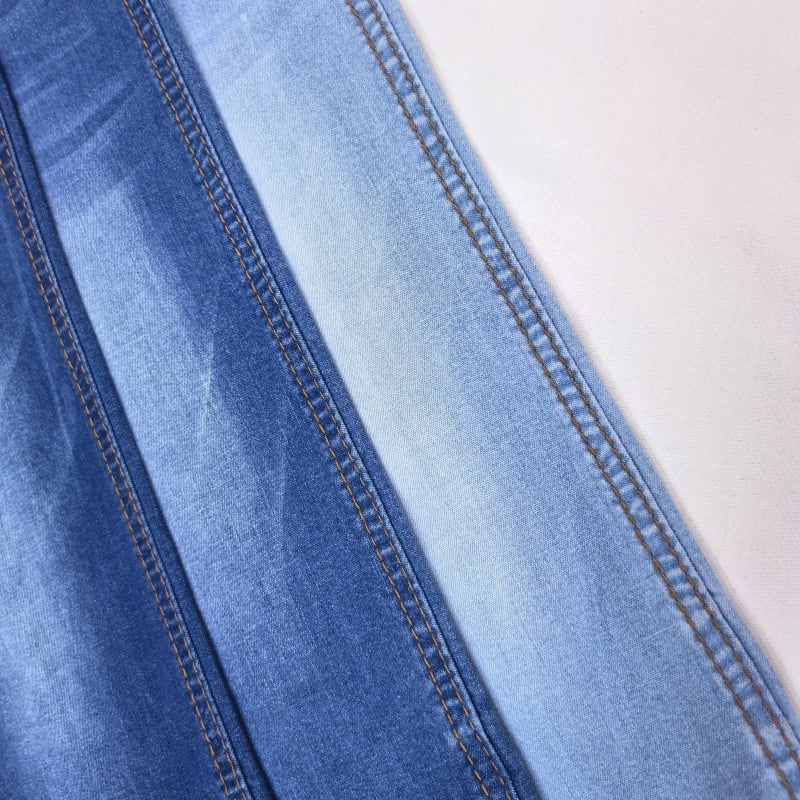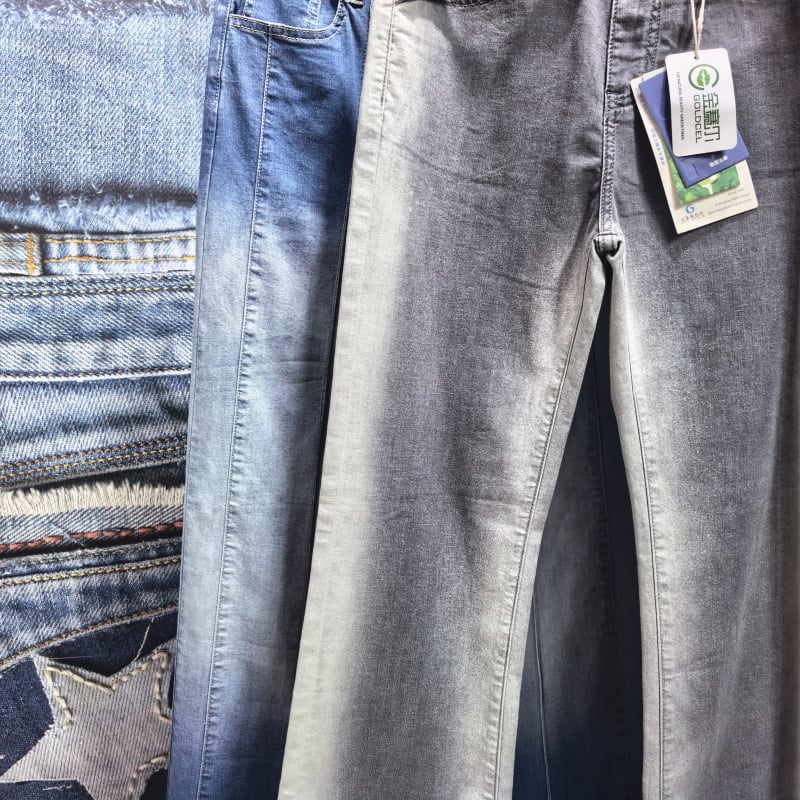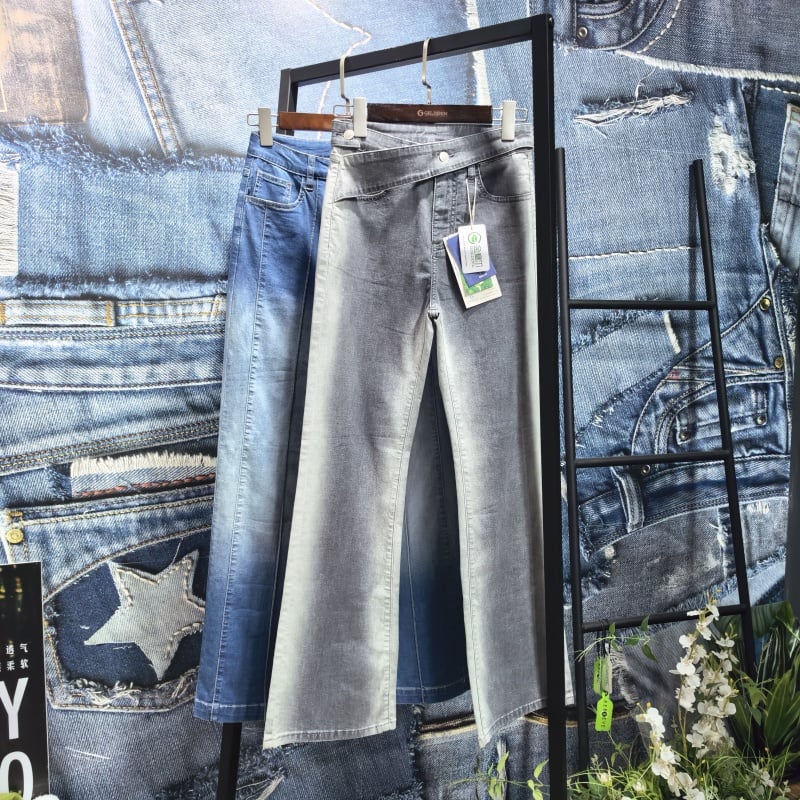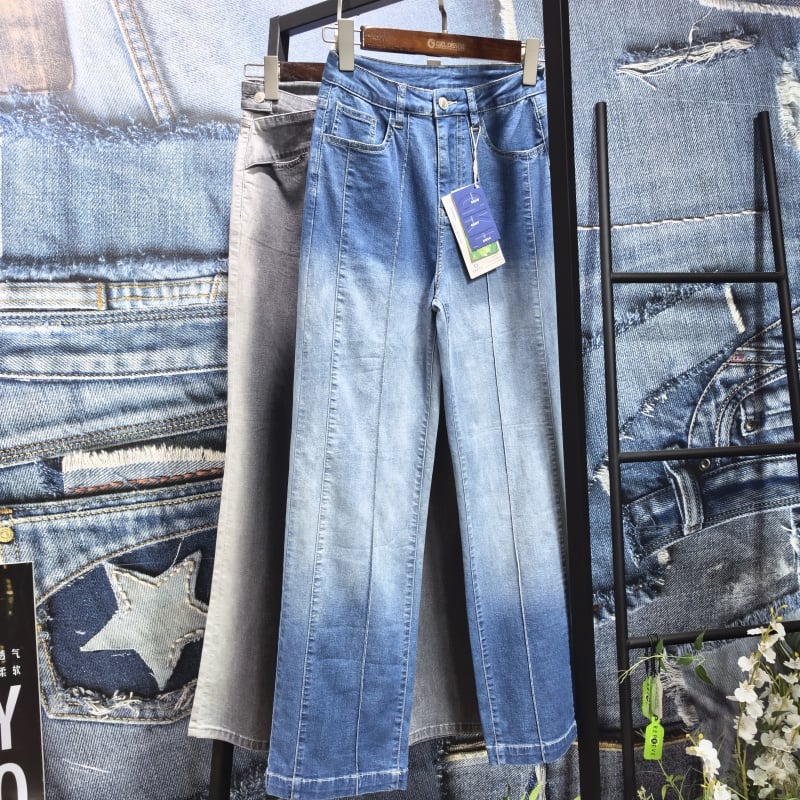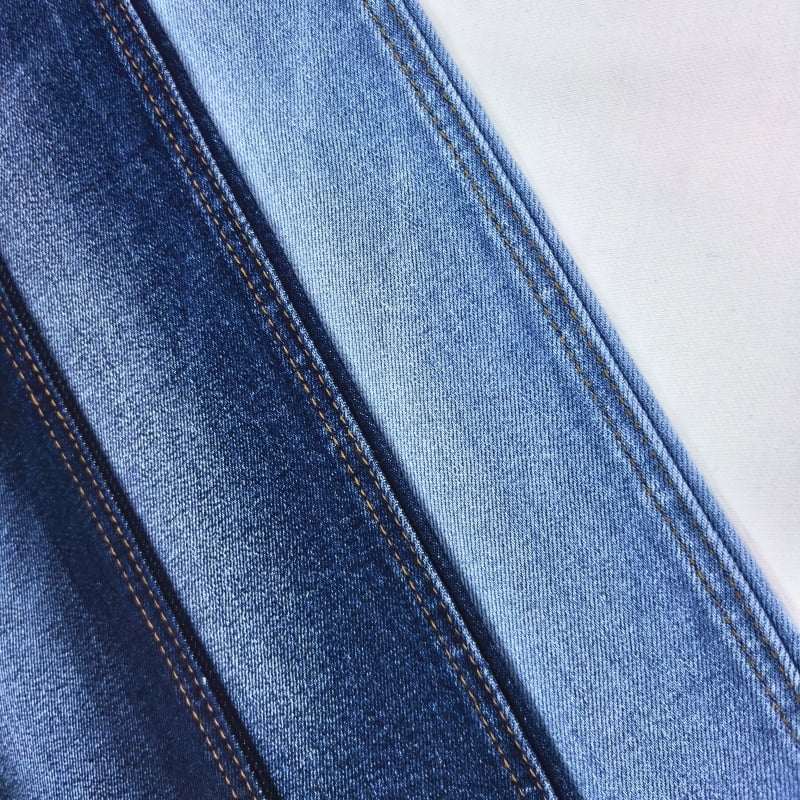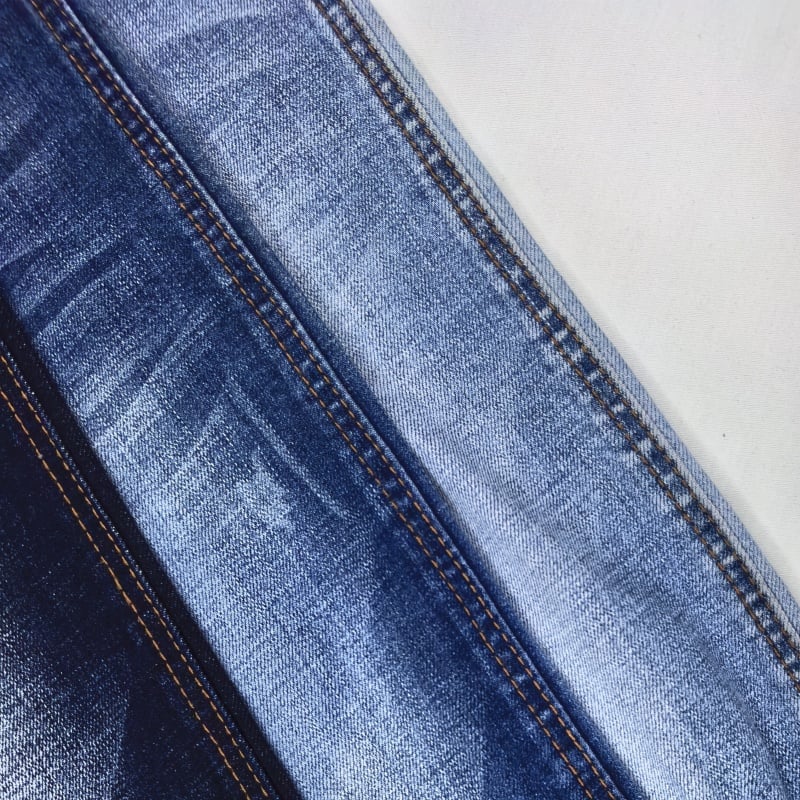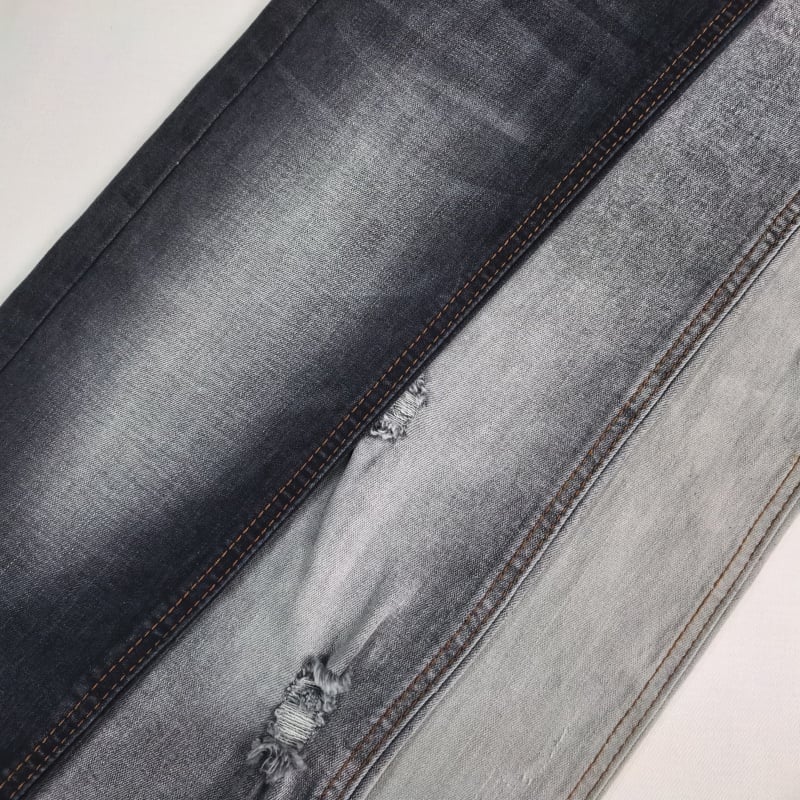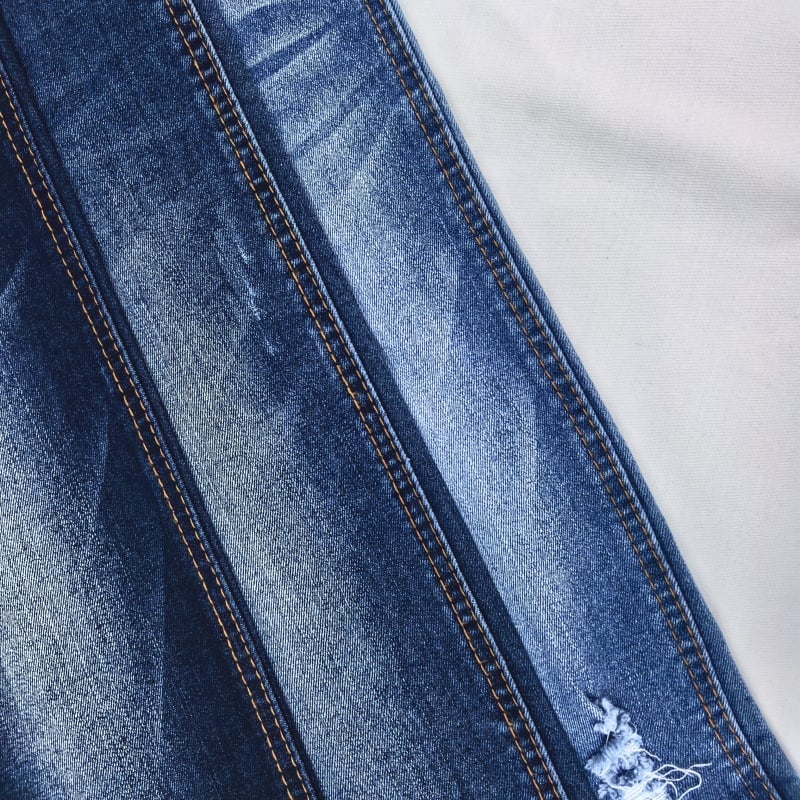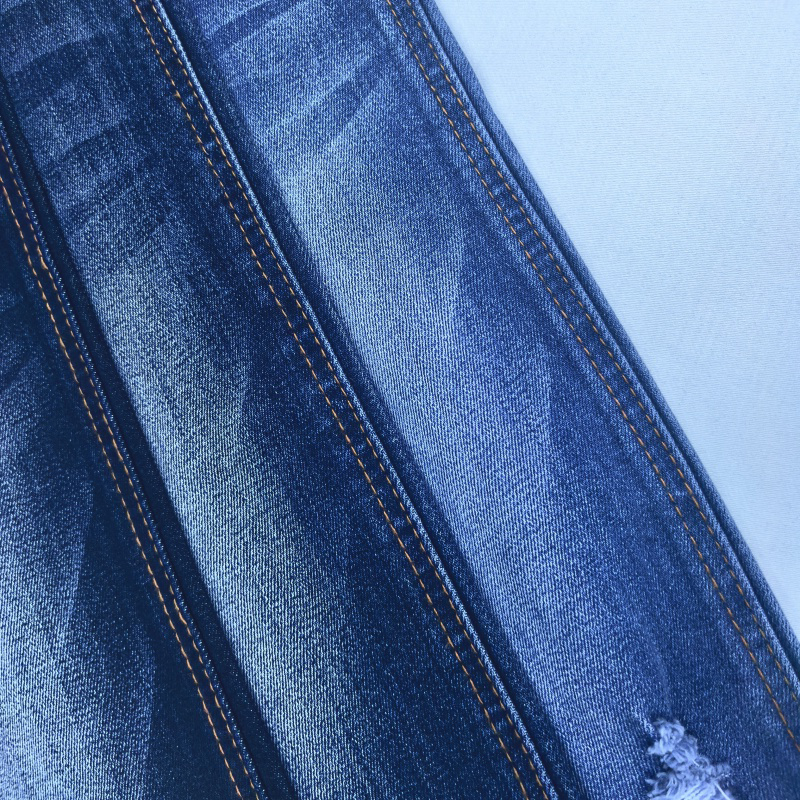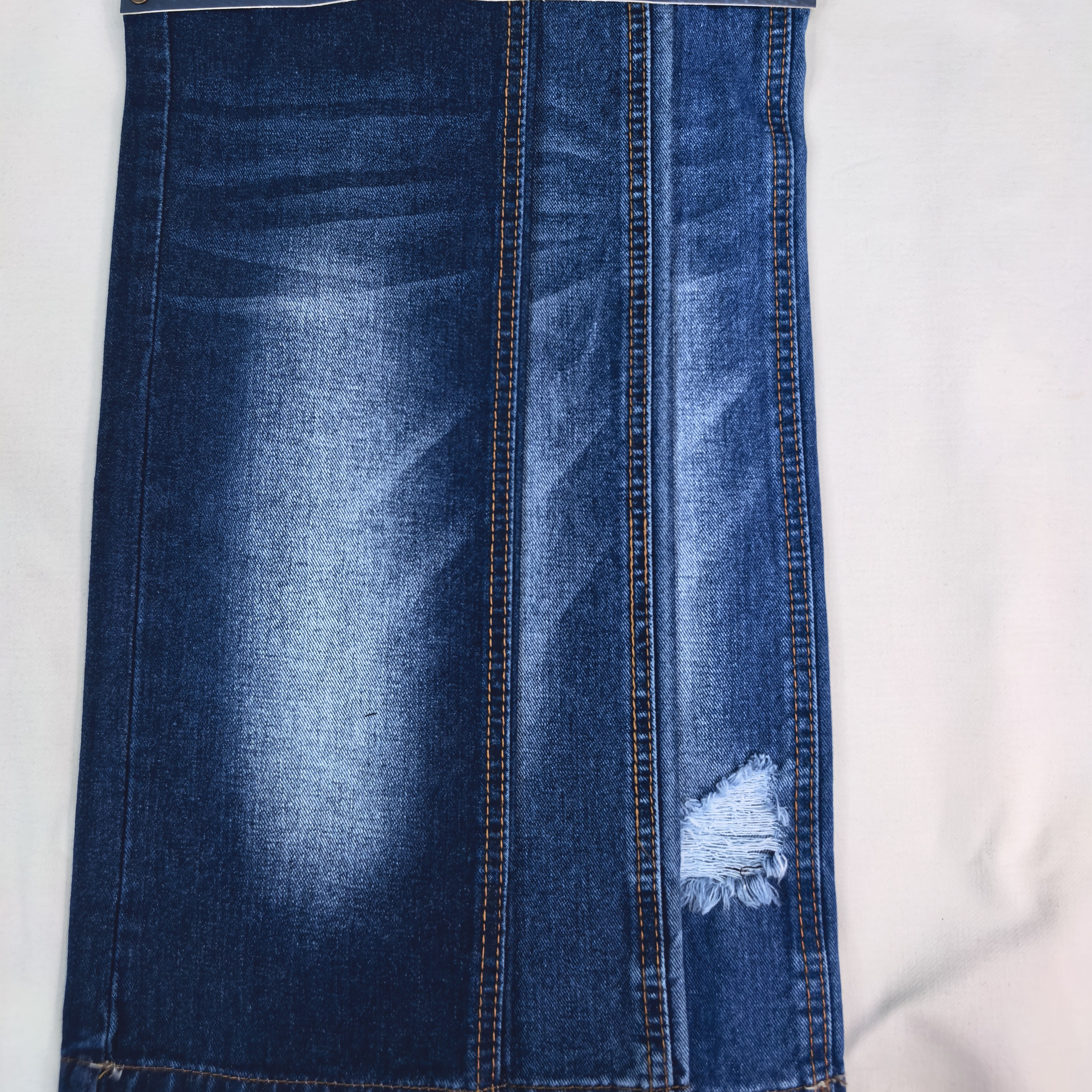
Pleasant light color
The combination results in a fabric that is brighter than pure cotton yet more subdued than pure Tencel. This luster is intrinsic to the fibers and requires no optical brightening agents in post-finishing.
Drape and FluidityStatic drape
Pure Tencel fabrics offer excellent drape but can sometimes feel overly soft and clingy; pure cotton, on the other hand, tends to be crisp but lacks fluidity. The blend balances these two.
Breathability and Thermo-physiological Comfort
Tencel absorbs moisture faster than cotton, with a moisture regain of approximately 11%–13%, allowing it to quickly draw perspiration from the skin surface and diffuse it outward; cotton fibers, with their natural hollow structure, offer superior static breathability. In a blend, these two form a "rapid uptake—stable storage—sustained evaporation" moisture management chain.
Dimensional Stability
The naturally twisted structure of cotton fibers maintains better dimensional stability when wet; in a blend, the single-wash shrinkage rate can be controlled to approximately 2%–3%, and pilling is notably reduced.
High Exhaustion Rate and Full Saturation
Tencel has a higher dye uptake rate and fixation rate than cotton. After dyeing, the blended fabric exhibits superior color saturation compared to pure cotton, while its color fastness is comparable to that of pure Tencel. For medium-to-dark shades or high-saturation colors, the blend can achieve a color effect close to pure Tencel at a lower cost.
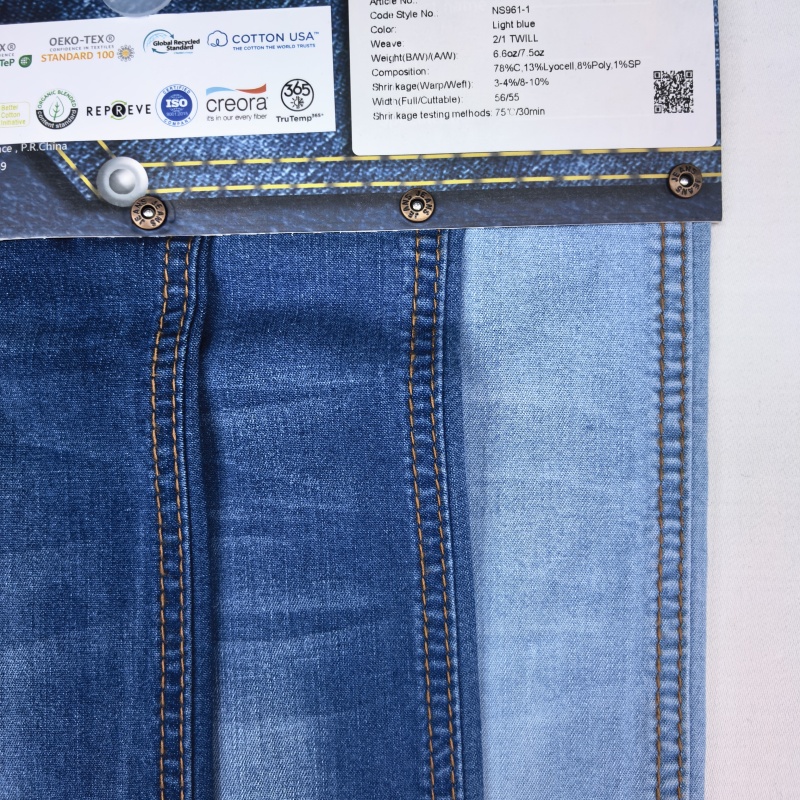
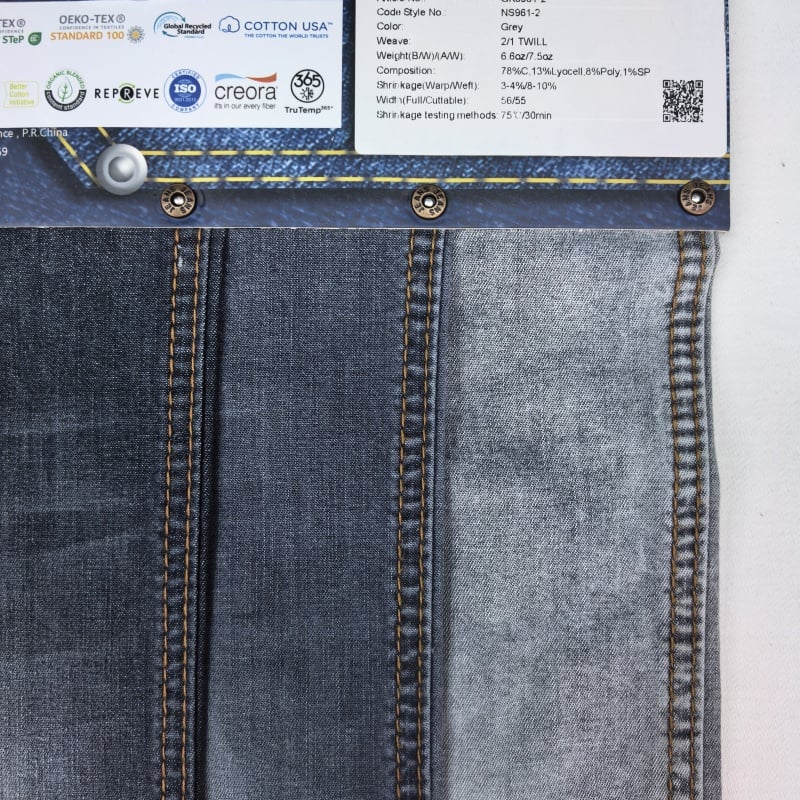
| Article No. | GK8961-1/-2 |
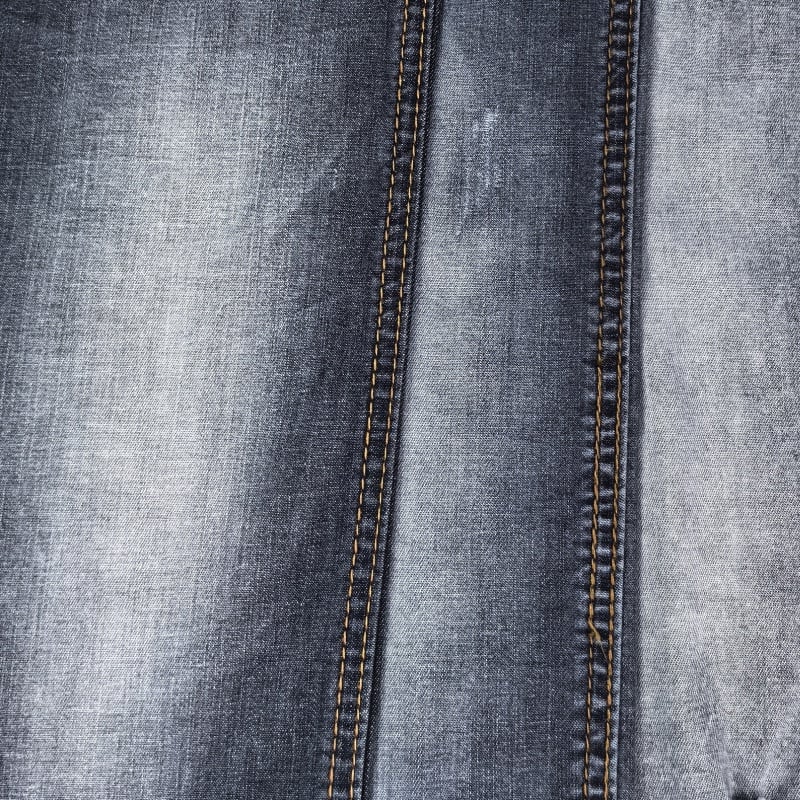
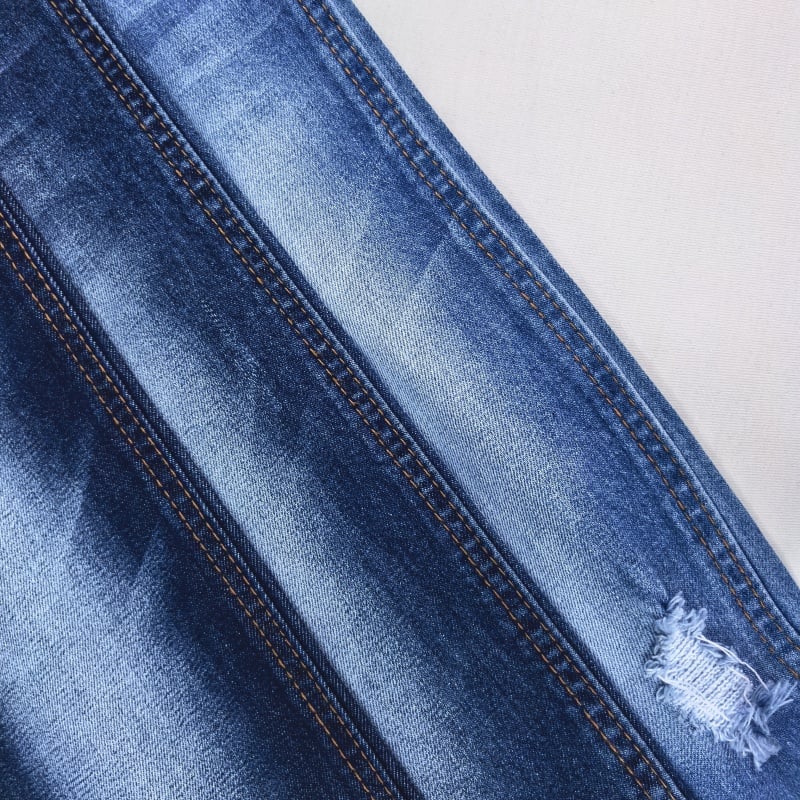
| Color Options | Light Indigo/Grey |
| Weave | 2/1 Right Twill |
| Weight (B/W) | 6.6oz |
| Weight (A/W) | 7oz |
| Composition | C:78%,Lyocell:13%,Poly:8%,SP:1% |
| Width(Full) | 56 inch |
| Width(Cuttable) | 55 inch |
Product Features
In a cotton-Lenzing Tencel blend, the surface luster does not come from either fiber alone. The circular, regular cross-section of Tencel fibers provides directional light reflection, producing a soft pearlescent sheen reminiscent of silk, while the naturally twisted kidney-shaped cross-section of cotton fibers contributes diffuse reflection. The combination results in a fabric that is brighter than pure cotton yet more subdued than pure Tencel. This luster is intrinsic to the fibers and requires no optical brightening agents in post-finishing.
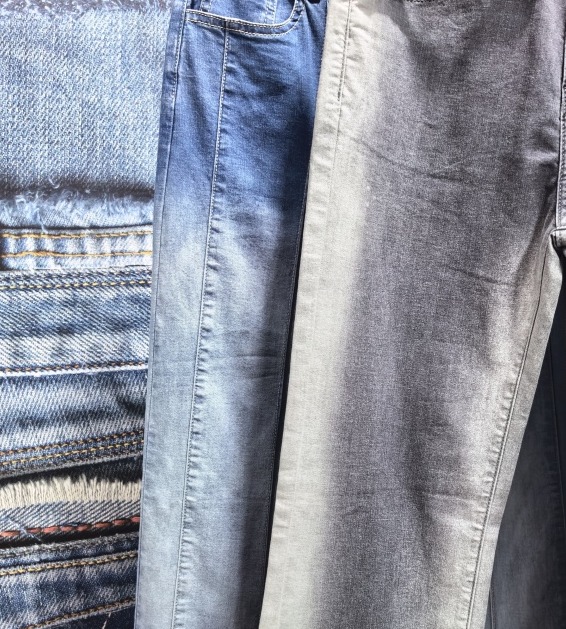
Pure Tencel fabrics offer excellent drape but can sometimes feel overly soft and clingy; pure cotton, on the other hand, tends to be crisp but lacks fluidity. The blend balances these two extremes:
Static drape: When hung or laid flat, the Tencel component provides a natural weight-induced downward fall, while the cotton component imparts a certain structural support, resulting in fewer wrinkles than pure Tencel and noticeably better recovery;
Dynamic fluidity: When worn and in motion, the fabric creates soft undulating waves that follow body movements, but the addition of cotton reduces skin clinginess—particularly in summer or high-humidity conditions—preventing the fabric from sticking tightly to the skin and leaving micro-spaces for air circulation.
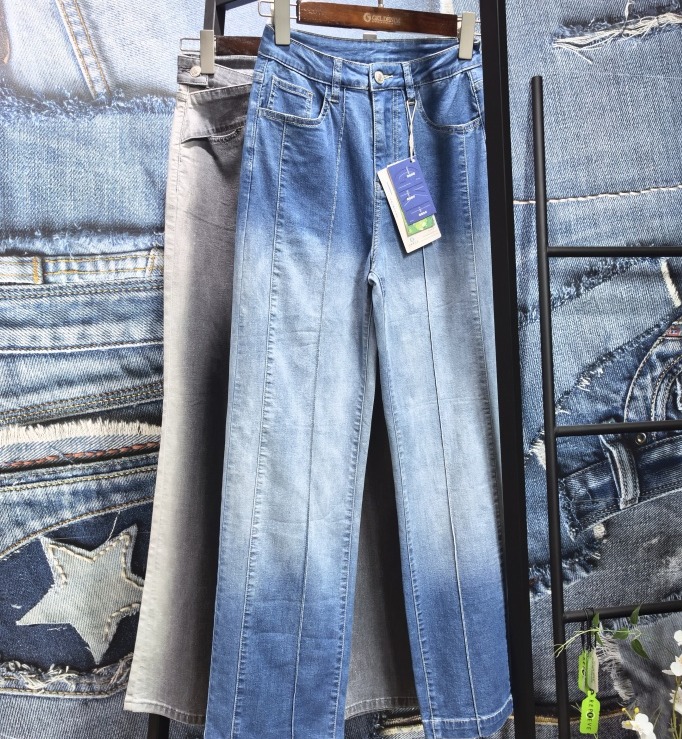
Tencel absorbs moisture faster than cotton, with a moisture regain of approximately 11%–13%, allowing it to quickly draw perspiration from the skin surface and diffuse it outward; cotton fibers, with their natural hollow structure, offer superior static breathability. In a blend, these two form a "rapid uptake—stable storage—sustained evaporation" moisture management chain.
In actual wear tests conducted at 30°C and 60% relative humidity, the temperature and humidity curve on the skin-contact side of the cotton-Tencel blend was smoother than that of pure Tencel, with a lower peak stuffiness—cotton slows down the rate of moisture accumulation, while Tencel accelerates its expulsion, creating a complementary effect.
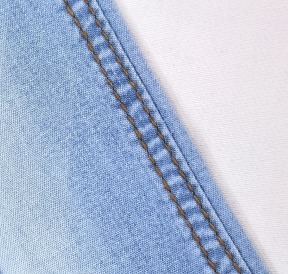
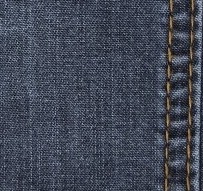
Pure Tencel fabrics typically have a washing shrinkage rate of 3%–5%, and the fibers tend to fibrillate in wet conditions, causing pilling. The inclusion of cotton significantly mitigates these issues. The naturally twisted structure of cotton fibers maintains better dimensional stability when wet; in a blend, the single-wash shrinkage rate can be controlled to approximately 1%–2%, and fibrillation-induced pilling is notably reduced. Daily care becomes easier—machine washable and medium-temperature ironing are acceptable—with a longer service life than pure Tencel.
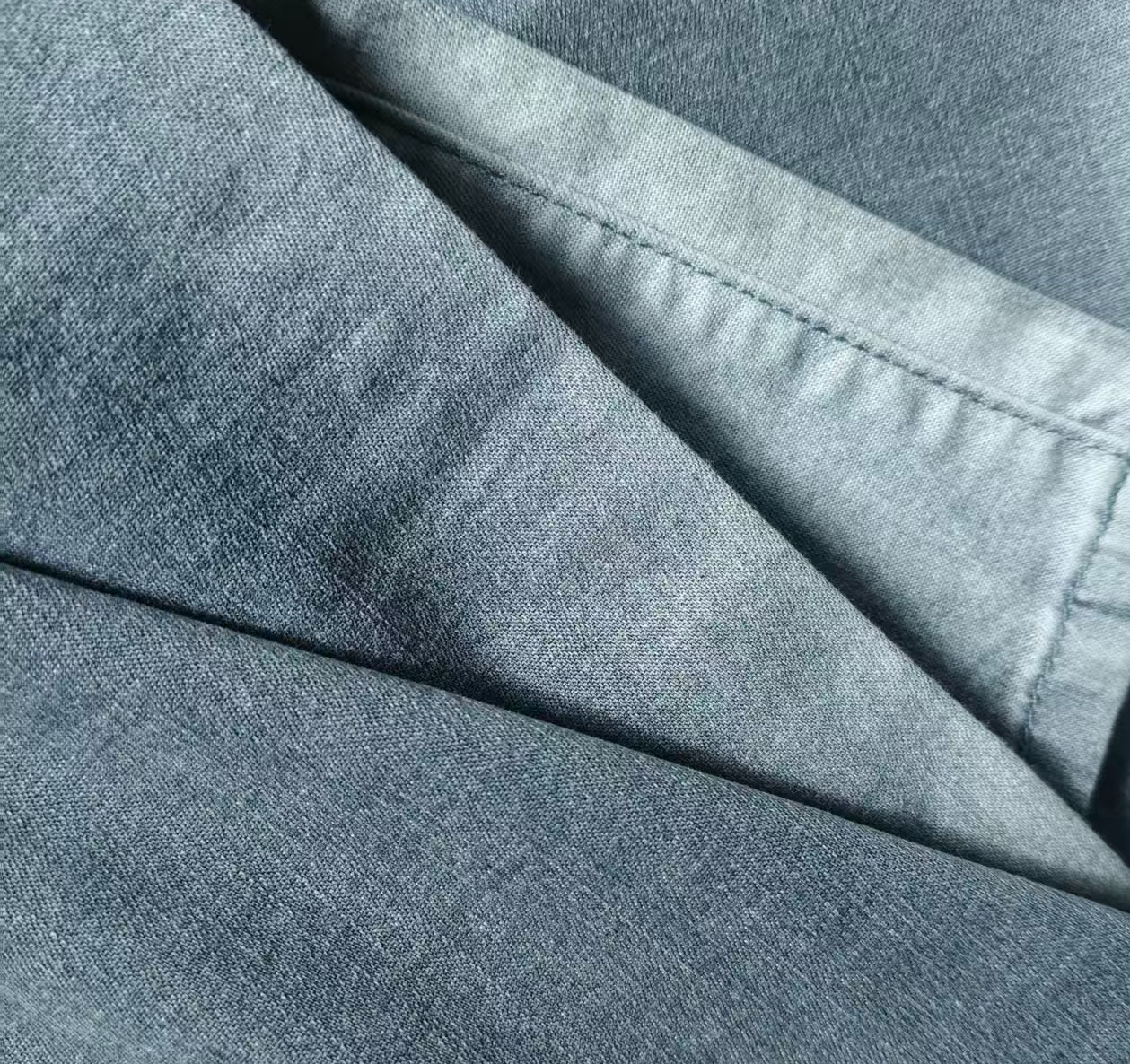
Both cotton and Tencel are cellulose fibers and can be dyed with reactive dyes. Tencel has a higher dye uptake rate and fixation rate than cotton. After dyeing, the blended fabric exhibits superior color saturation compared to pure cotton, while its color fastnessis comparable to that of pure Tencel. For medium-to-dark shades or high-saturation colors, the blend can achieve a color effect close to pure Tencel at a lower cost.

1. What's the material of your denim fabric?
Our main material includes cotton, viscose, spandex, polyester, tencel.
2. Can you customize the products?
Yes, we can customize products for color, weight and component, width etc with customer’s requirements.
3. Can we use our own logo or design?
Yes, you can. You can contact us for the details.
4. What will be the delivery time?
Normally for the items in stock we can delivery within 1 working day.And 25-30 days for mass production.
5.Who do I contact if I have a problem?
You can email to us, we will provide quality after-sales service .
6.How about your MOQ?
Our MOQ is 3000y/order ,we could also negotiate.
7. How do you pack your letterbox?
INNER PACKING: packed in rolls then in rainproof plastic bags.
OUTER PACKING: packed in anti-sunburn plastic bags.
8. What’s your method of payment?
We accept payment by T/T, L/C .
Copyright © 2025 by Foshan GKL Textile Co.,Ltd. — Privacy Policy
 EN
EN