 EN
EN

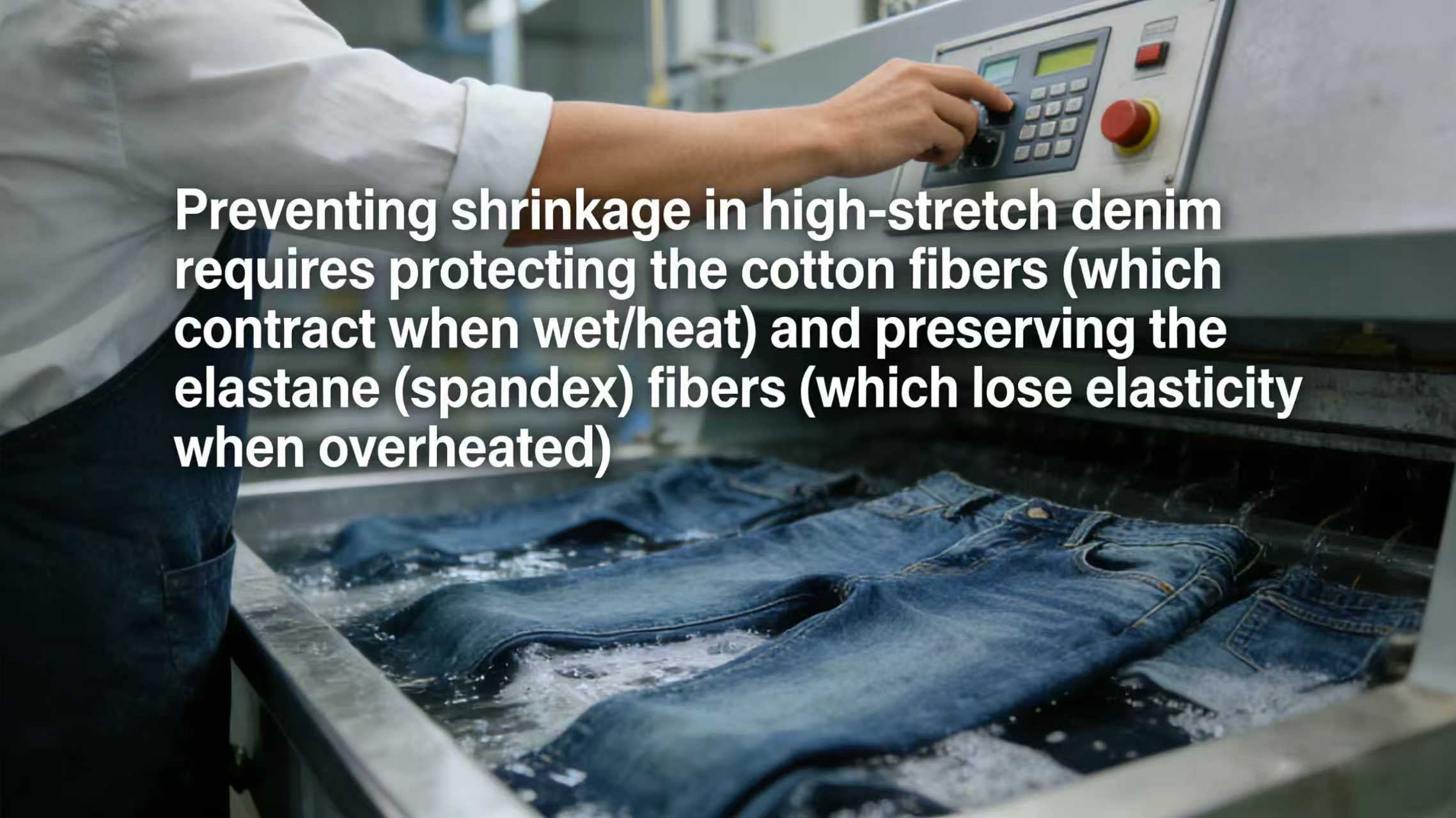
Why High-Stretch Denim Shrinkage Defies Common Assumptions
Empirical shrinkage data: high-stretch denim vs. traditional cotton denim
Tests in labs have shown some surprising results about how stretchy denim behaves when it comes to shrinking. Regular old 100% cotton denim tends to shrink around 7 to 10% after a wash cycle according to research published last year in the Textile Research Journal. But those jeans mixed with elastane? They only shrink about 3 to 5%. Why does this happen? Well, synthetic fibers just don't absorb water the same way natural ones do. What really makes a difference though is what happens during tumble drying. Cotton denim keeps getting smaller over time with each dry cycle, but jeans with spandex actually lose most of their size right after the first wash. Looking at actual performance numbers shows just how different these materials behave in practice.
| Denim Type | Average Length Shrinkage | Average Width Shrinkage | Maximum Shrinkage Cycles |
|---|---|---|---|
| 100% Cotton | 8.2% | 6.7% | 5+ cycles |
| High-Stretch (2–4% Elastane) | 4.1% | 3.8% | Primarily first wash |
The elastane paradox: how fiber content, weave structure, and finishing affect shrinkage
What makes stretch denim act so strangely is actually pretty interesting when we break it down into three main elements. Let's start with those elastane fibers they put in there. These things have what's called thermoplastic properties. When heated, they'll contract a bit but then bounce back once cooled down. Cotton works totally differently since it permanently changes at the molecular level when washed. Next up is how tightly woven the twill fabric is. Heavier weight denims like 14oz tend to hold their shape much better than lighter 10oz versions because the threads are packed closer together, leaving less room for them to shrink. Then there's this thing called sanforization. Most jeans go through this pre-shrink treatment where manufacturers compress and steam the fabric to get rid of about 70% of potential future shrinkage. The whole mystery kind of makes sense when we realize that elastane isn't stopping shrinkage altogether but instead spreading it out across the fabric through its memory effect. This allows jeans to regain some shape after each wear. Over time though, all that mechanical stress from wearing and moving around slowly loosens the weave tension. That's why getting the right fit initially matters so much for keeping jeans looking good over the long haul.
The Three Main Drivers of Shrinkage in High-Stretch Denim
Heat exposure: irreversible elastane degradation and dimensional instability
Too much heat tends to be what really messes up stretch denim fabric. Those elastic fibers in most jeans (usually around 2 to 5 percent of the total material) start breaking down when they get hit with temps over 60 degrees Celsius, which is roughly 140 Fahrenheit. Once this happens at the molecular level, the fibers just don't bounce back anymore. Research indicates that clothes washed wrong can end up shrinking by as much as 40 percent somewhere. Cotton behaves differently though. Regular cotton will sort of scrunch up when hot but then loosen again once cooled down. Elastane that's been cooked loses all that memory effect, so we see those annoying wrinkles forming especially around areas where the fabric gets stretched out a lot during normal wear, think knees and waistbands mostly. And it gets worse each time these jeans go through the wash cycle, making them fall apart faster than they should.
Moisture and mechanical agitation: tension release in spandex-blended weaves
The way water gets absorbed plus all that physical stress from washing leads to what some call a double shrink effect. Spandex blended fabrics start shrinking when they soak up moisture because those hydrogen bonds between the fibers actually get weaker, letting go of all the tension that was created back when the fabric was woven. At the same time, regular old washing machine action pushes those yarns together, making them pack in tighter than before. Put these two things together and we're talking about around 8% shrink right off the bat for those stretchy jeans after just one wash. Regular denim tends to stop shrinking eventually, but stretch versions keep getting tighter over time since every wet wash basically repeats this whole tension release thing again and again.
Proven Care Strategies to Preserve Fit in High-Stretch Denim
Cold-water washing, air-drying, and low-tension handling techniques
When washing stretchy denim, turn it inside out first and stick to cold water under 86°F (around 30°C). This helps keep those elastic fibers intact and stops them from losing their shape. According to some research published in textile journals, clothes washed this way shrink about 78% less than when using warmer water. After washing, let jeans air dry either lying flat on a surface or hung somewhere not exposed to direct sun. Sunlight can actually damage the spandex bits over time. When it comes to spinning the fabric during washing, try keeping speeds at 800 RPM or lower. Don't twist the fabric while wringing it out either since this messes with how the material remembers its original shape. These gentler approaches work wonders for maintaining quality without harming the fabric's integrity.
- Turn garments inside-out before washing
- Use mild, pH-neutral detergents
- Skip fabric softeners that coat elastic fibers
- Reshape while damp before drying
Selecting shrink-resistant high-stretch denim: sanforized finishes and optimized fiber blends
When shopping for jeans, look for sanforized denim first. This type has gone through a special process that compresses the fabric mechanically, cutting down on how much it shrinks after washing. Most regular untreated denim can shrink around 10% or more when washed, but sanforized versions typically only shrink less than 3%. Another thing to check is the fiber blend ratio. Many good quality jeans use a mix of about 92% cotton, 6% polyester, and 2% elastane. These combinations tend to hold their shape better according to tests done by organizations like ASTM. The polyester part helps reduce how much water gets absorbed into the fabric while still allowing some stretchiness. Be careful with blends that have more than 5% elastane though. If there's too much spandex in the mix, the fabric becomes much more prone to shrinking again after washing, sometimes up to 40% more than normal. So keep an eye out for these signs when looking at potential purchases.
- Sanforization certification on labels
- Crosshatch weave patterns
- Lyocell or Tencel® blended fibers
- Compressive resin finishes
FAQ
Why do high-stretch denim jeans shrink less than 100% cotton jeans?
High-stretch denim contains elastane, a synthetic fiber that absorbs less water than natural fibers like cotton. This results in reduced shrinkage during wash cycles.
What are the main causes of shrinkage in high-stretch denim?
High-stretch denim can shrink due to heat exposure, which degrades elastane fibers, and moisture combined with mechanical agitation from washing, which releases tension in the fabric.
How can I preserve the fit of my high-stretch denim jeans?
To maintain fit, wash your jeans inside-out in cold water, avoid high spin speeds, and air dry them away from direct sunlight. Using mild, pH-neutral detergents also helps.
What should I look for when buying shrink-resistant high-stretch denim?
Look for sanforized jeans, which undergo a pre-shrink treatment, and check for fiber blends optimized for reduced shrinkage, such as those containing a mix of cotton, polyester, and elastane.